How to Start a Garden from Scratch
Assess Your Space
Before you buy anything, spend a little time understanding the conditions of your garden – how much sunlight it gets throughout the day, the type and quality of the soil, how well it drains after rain, and the local climate and seasonal patterns. Observing these factors will help you choose plants, materials, and layouts that are far more likely to thrive, saving you time, money, and frustration in the long run.
- Check sunlight
- Full sun: 6+ hours of direct sunlight (ideal for lavender, roses, herbs).
- Partial shade: 3–6 hours (good for hydrangeas, foxgloves, hardy geraniums).
- Full shade: under 3 hours (ferns, hostas, hellebores).
Look at soil type
UK soils vary widely:
- Clay: heavy but nutrient-rich; grows asters, roses, and dogwood well.
- Sandy: drains quickly; great for lavender, sedum, thyme.
- Loam: ideal balance of drainage and nutrients; most plants thrive.
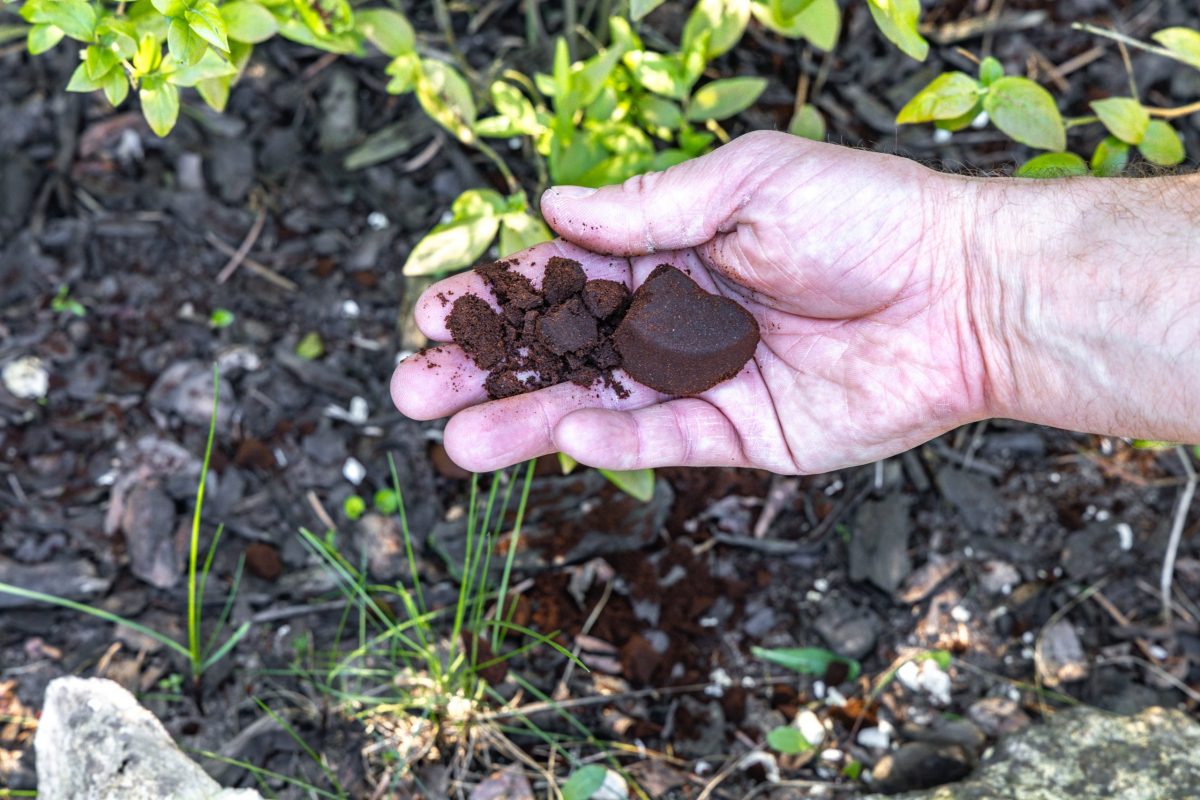
If you’re unsure, take a handful of soil and squeeze it:
- Sticky and holds shape → clay
- Gritty, falls apart → sandy
- Smooth, slightly crumbly → loam
Clear and Prepare the Ground
Removing weeds and preparing the soil properly gives you the best start by eliminating competition for water and nutrients and creating an environment where new plants can establish strong roots. Loosening the soil, adding compost or organic matter, and leveling the area improve drainage and fertility, helping plants grow healthier and more resilient from the very beginning.

Steps:
- Remove weeds (including roots). Use a garden fork for stubborn perennials like dandelions.
- Loosen the soil by digging or using a border fork.
- Add compost to improve drainage and fertility—UK gardens benefit hugely from organic matter, especially in clay-heavy areas.
- Level the ground if needed.
Choose Beginner-Friendly UK Plants
Opt for hardy varieties that cope well with UK weather and require minimal fuss.
Flowering Plants
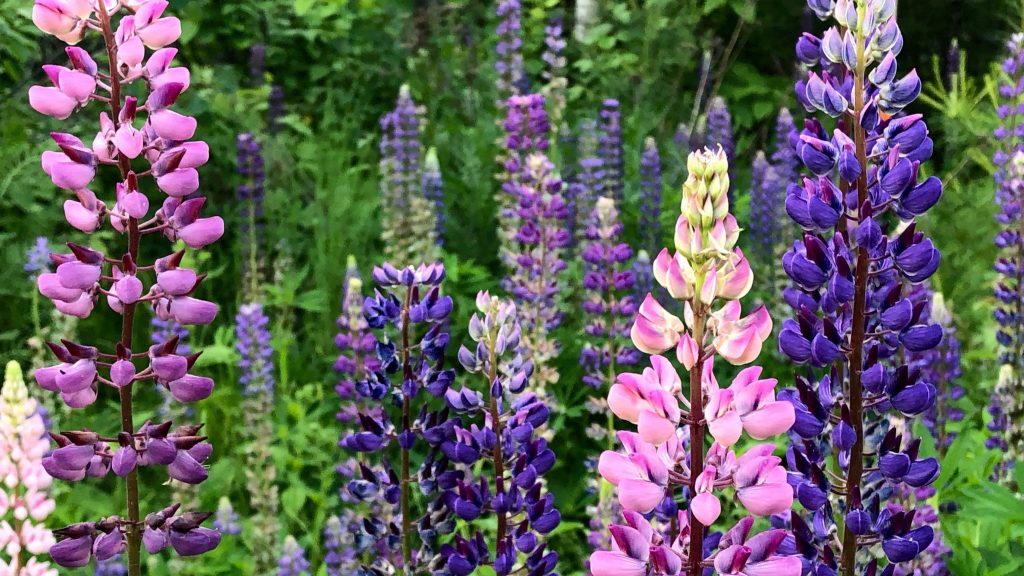
- Lavender – loves full sun and well-drained soil.
- Hardy Geraniums (Cranesbill) – excellent ground cover for sun or shade.
- Foxgloves – iconic cottage-garden biennials, partial shade.
- Roses (shrub or climbing) – very UK-friendly; choose disease-resistant varieties.
Shrubs
- Hydrangea macrophylla – thrives in partial shade with moist soil.
- Buddleia – attracts pollinators, tolerates poor soil.
- Dogwood (Cornus) – stunning winter stems, good for damp spots.
Vegetables for Beginners

- Salad leaves – quick-growing even in containers.
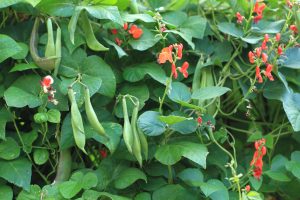
- Runner beans – vigorous and productive in the UK’s cooler summers.
- Courgettes – reliable and prolific.
- Potatoes – ideal for containers or beds.
Herbs
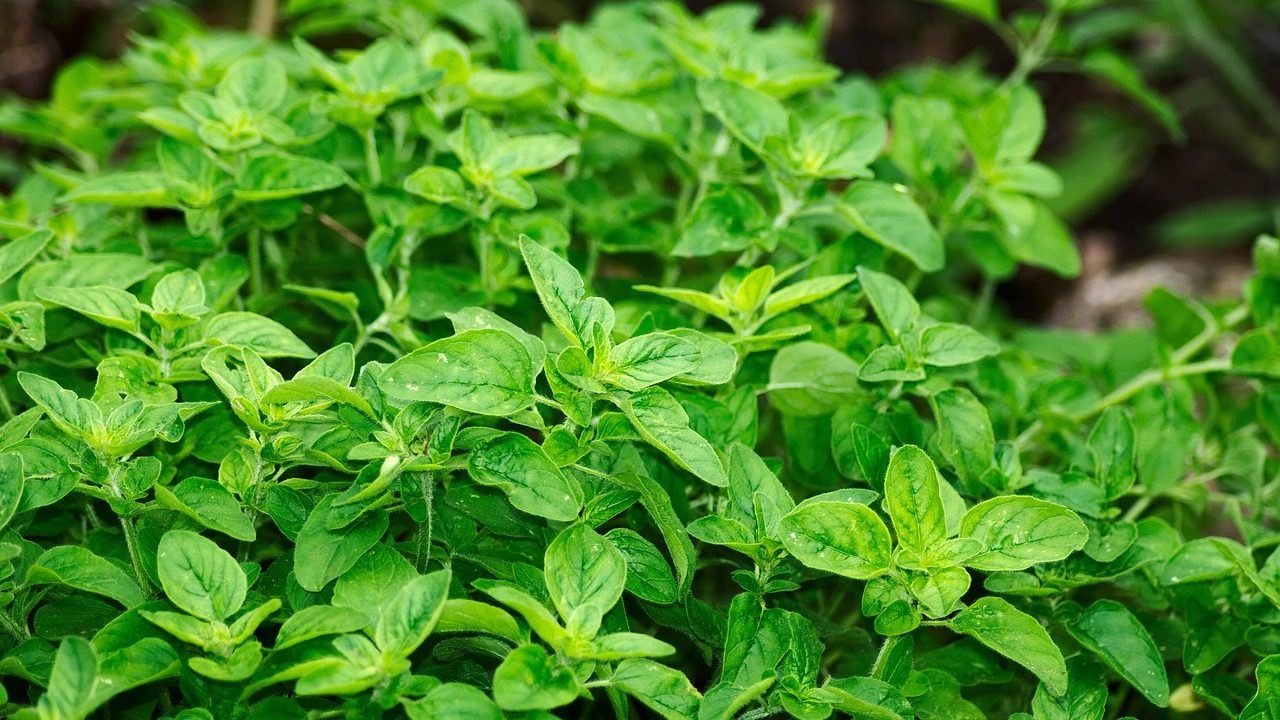
- Thyme, rosemary, sage – like sun and dry soil.
- Mint – best grown in pots to avoid spreading.
Plan Your Layout

Sketch a simple design of your garden, consider the following:
- Plant height: tall plants at the back (delphiniums, sunflowers), medium in the middle, low plants at the front.
- Colour scheme: soft pastels for cottage style, bold colours for modern borders.
- Seasonal interest: choose a mix of spring bulbs, summer bloomers, and winter structure (evergreen shrubs).
Plant at the Right Time
UK planting seasons matter.
- Spring (March–May): Ideal for most perennials, shrubs, and veg seedlings.
- Autumn (September–October): Great for trees, shrubs, and spring bulbs.
- Summer: Only plant container-grown plants with regular watering.
- Winter: Avoid planting unless the ground isn’t frozen or waterlogged.
Water, Feed, and Mulch
Watering
- Water deeply rather than frequently.
- Early morning or evening is best.
- Pots need more frequent watering than beds.
Feeding
- Use a general-purpose feed from spring through summer.
- Roses and flowering plants benefit from specialist feeds.
Mulching
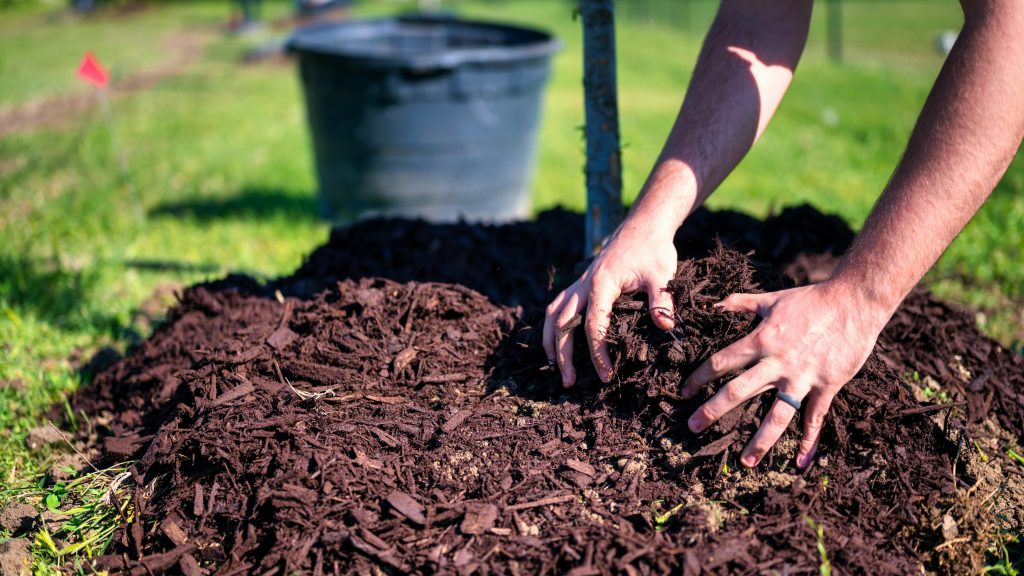
- Apply bark, compost, or manure around plants in spring.
- Helps retain moisture, suppress weeds, and improve soil structure.
Maintain and Enjoy
- Weed regularly to avoid competition for nutrients.
- Deadhead spent flowers to encourage more blooms.
- Prune shrubs according to their needs (check plant labels for timing).
- Observe your garden—some plants may need relocating depending on how they perform.