Best Plants That Survive UK Winters
UK winters can be unpredictable, with freezing temperatures, heavy rain, frost, and occasional snow. Choosing hardy plants that can survive — and even thrive — through winter is key to keeping your garden looking good year-round with minimal effort.
Below are some of the best plants that survive UK winters, covering shrubs, perennials, ground cover, and even winter-friendly vegetables.
What Makes a Plant Winter-Hardy in the UK?
A winter-hardy plant can tolerate:
- Frost and freezing temperatures
- Cold, wet soil
- Reduced daylight hours
- Strong winds
Most of the plants listed below are fully hardy across most of the UK, including colder northern regions.
Best Hardy Plants for UK Winters
1. Holly (Ilex)
Why it’s great:
Holly is a classic evergreen shrub that thrives in the UK climate and copes well with frost, wind, and poor winter weather. Its glossy, dark green leaves add structure and interest to the garden when most plants are dormant, while the bright red berries provide a striking splash of colour throughout winter. As well as being decorative, holly is excellent for supporting wildlife, offering food and shelter for birds during colder months. It also works well as a hedge, screen, or standalone feature, making it both practical and visually appealing in winter gardens
Best for:
- Hedges
- Wildlife gardens
- Year-round structure
2. Lavender
Why it’s great:
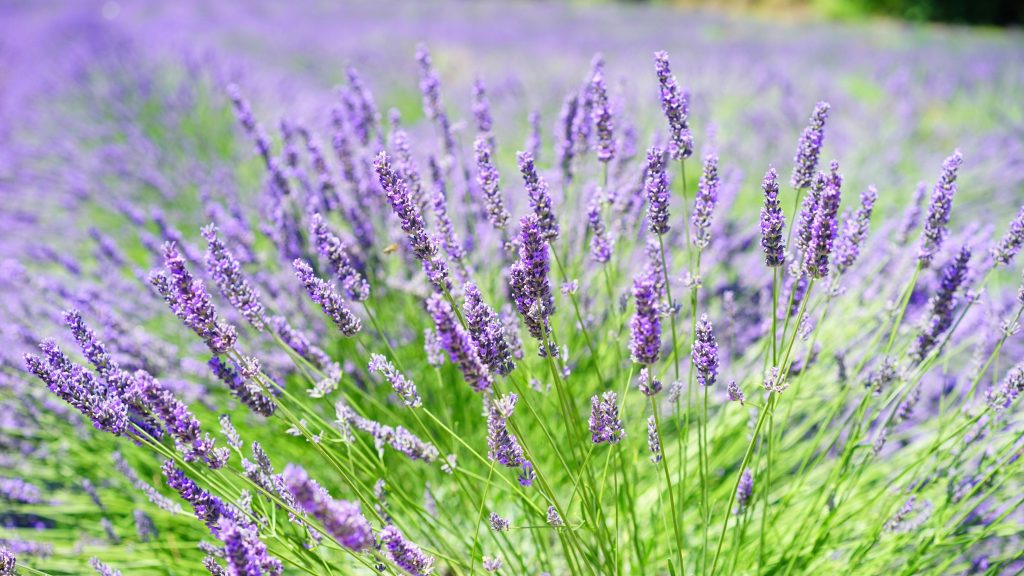
Lavender is surprisingly tough and can cope well with cold UK winters, provided it is planted in well-drained soil and not left sitting in water. While it’s often associated with warmer climates, established lavender plants are hardy and can survive frost and low temperatures with ease. Its silvery-green foliage adds year-round structure to borders and pots, and even in winter it helps keep the garden looking neat rather than bare. Good drainage is key to success, as winter wet is far more damaging than cold, making lavender ideal for raised beds, gravel gardens, or sunny, free-draining spots.
Top tip: Avoid heavy clay soil or improve drainage with grit.
3. Hellebores (Christmas Rose)
Why it’s great:
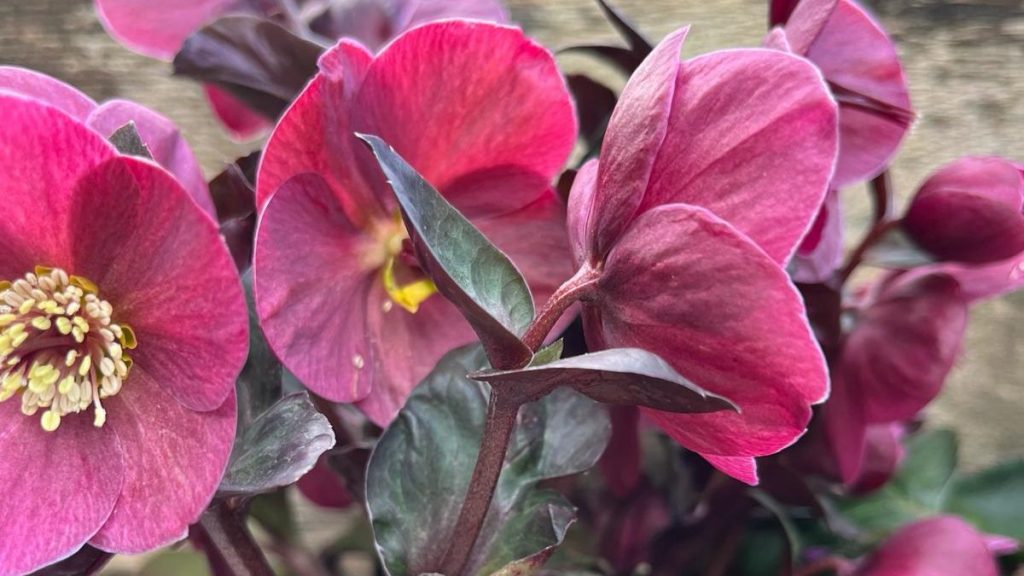
Hellebores flower in the depths of winter, often from December through to March, bringing much-needed colour to the garden when very little else is in bloom. Their nodding flowers come in a range of shades including white, pink, purple, and deep burgundy, and many varieties are beautifully speckled or veined. These hardy perennials cope well with frost and cold temperatures and are ideal for shady or partially shaded areas of the garden. As an added bonus, hellebores are long-lasting and low maintenance, providing reliable winter interest year after year with minimal care.
Best for:
- Shady borders
- Winter colour
4. Heather (Erica & Calluna)
Why it’s great:
Winter-flowering heathers bloom when little else does, brightening the garden from late autumn through to early spring. Their small but abundant flowers appear in shades of white, pink, and purple, creating a carpet of colour even in the coldest months. These tough, evergreen plants are extremely low-maintenance and cope well with frost, wind, and poor weather. Once established, they require very little care beyond occasional pruning and are ideal for borders, ground cover, or containers, making them a reliable choice for adding winter interest with minimal effort.
Best for:
- Ground cover
- Pots
- Acidic soil
5. Box (Buxus)
Why it’s great:
Box plants stay green all winter, providing reliable structure and colour when many other plants have died back. Their dense, evergreen foliage makes them ideal for creating neat borders, low hedges, and formal garden designs where clean lines are important. Box is slow-growing and easy to shape, allowing it to maintain a tidy appearance with minimal pruning. It also copes well with the UK’s cold winters and can be grown in the ground or in containers, making it a versatile choice for year-round interest in both traditional and modern gardens.
Note: Keep an eye out for box blight and caterpillars.
6. Snowdrops
Why they’re great:
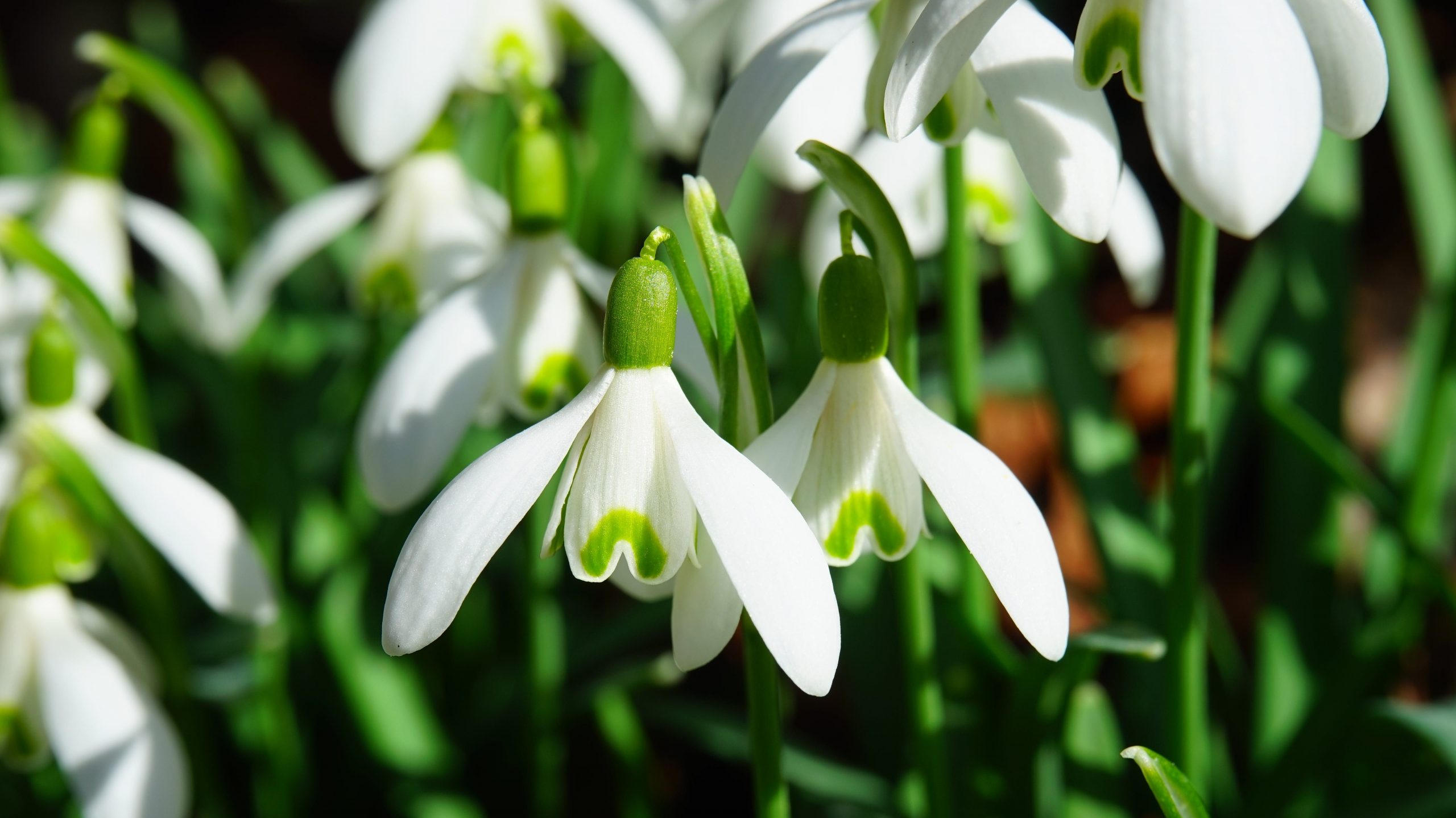
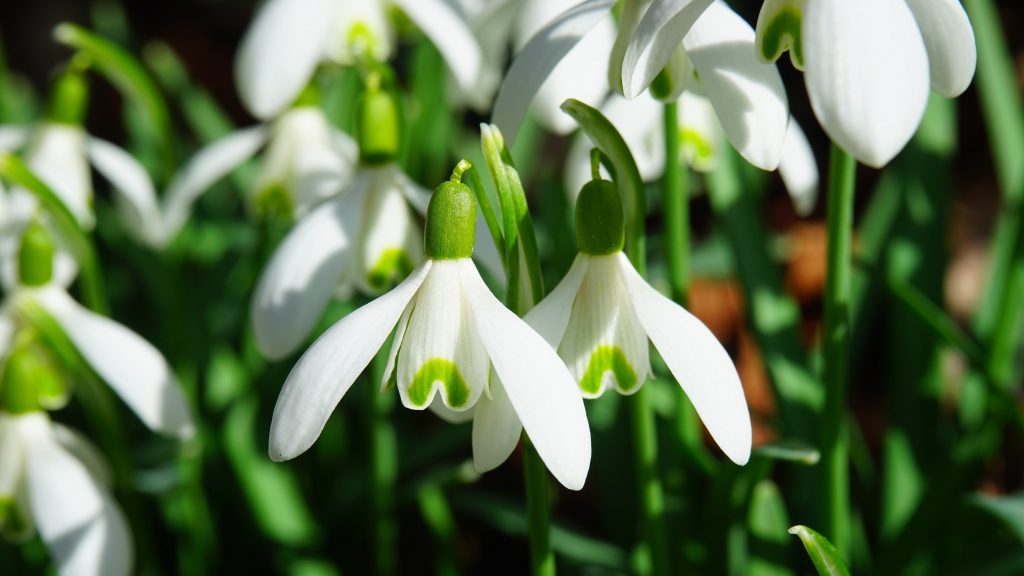
Snowdrops push through frozen soil and are one of the very first signs that spring is on its way. These delicate-looking bulbs are surprisingly tough, often flowering from January to February even in icy conditions. Their nodding white blooms bring a welcome sense of hope to winter gardens and look especially effective when planted in drifts under trees or along paths. Snowdrops are low maintenance, naturalise easily, and return year after year, making them a reliable and charming addition to UK gardens emerging from winter.
Planting tip: Plant bulbs in autumn or “in the green” after flowering.
7. Sedum (Stonecrop)
Why it’s great:
Sedum is drought-tolerant, frost-hardy, and continues to add interest to the garden even when its flowers have dried over winter. Its fleshy, succulent leaves store water, making it exceptionally resilient during dry spells, while its sturdy stems and seed heads provide structure and texture through the colder months. Sedum works well in borders, rockeries, or containers, and the dried flower heads can catch frost beautifully, adding natural sculptural elements to winter gardens. Low-maintenance and long-lasting, sedum is a versatile plant that brings year-round appeal with minimal care..
Best for:
- Low-maintenance borders
- Pollinator gardens
8. Ferns (Hardy Varieties)
Why they’re great:
Many ferns survive UK winters and return stronger in spring, making them reliable plants for year-round garden structure. While most ferns die back above ground during the cold months, their underground rhizomes remain protected, allowing fresh fronds to emerge as temperatures rise. Their graceful, arching foliage adds texture and a lush, green backdrop to shady borders, woodland gardens, or damp areas where other plants may struggle. Hardy ferns are low-maintenance, tolerant of frost, and pair beautifully with winter-evergreens and early spring bulbs, creating a layered, naturalistic garden display.
Best for:
- Shady gardens
- Woodland areas
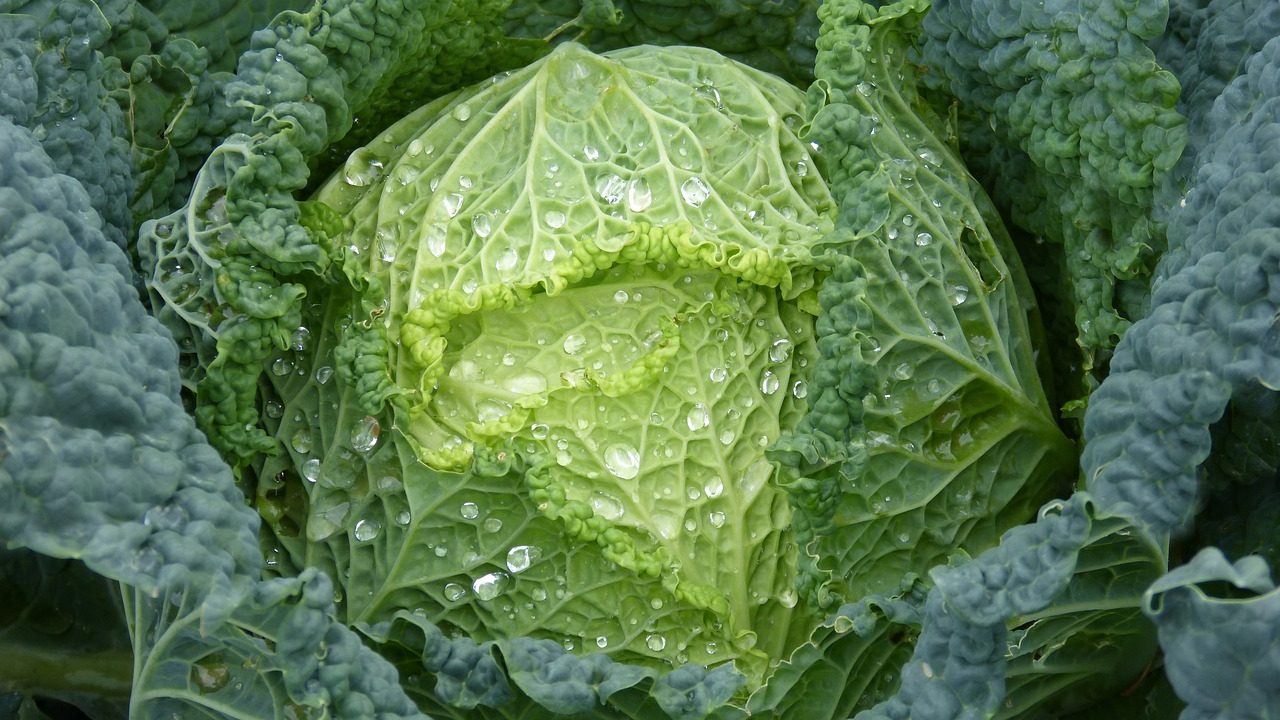
9. Winter Cabbage & Kale
Why they’re great:
These vegetables are bred to withstand frost and often taste better after a cold snap, as the chilly weather can enhance their natural sweetness and intensify flavors. Crops like kale, Brussels sprouts, and parsnips are classic examples, remaining crisp and nutritious even through freezing temperatures. Frost-hardy vegetables are ideal for extending the harvest into late winter, providing fresh, homegrown produce when many other crops have finished. With minimal protection and careful soil preparation, these resilient plants can thrive outdoors, offering both visual greenery and a steady supply of hearty vegetables throughout the colder months.
Best for:
- Kitchen gardens
- Allotments
10. Yew (Taxus)
Why it’s great:
Yew is one of the toughest evergreen plants for UK gardens, renowned for its resilience and versatility. It tolerates frost, shade, and wind with ease, making it ideal for exposed sites, woodland edges, or sheltered garden corners alike. Yew’s dense, dark green foliage provides year-round structure and can be shaped into formal hedges, topiary, or left to grow naturally as a feature tree. Slow-growing and long-lived, it requires minimal maintenance once established and also offers valuable habitat and shelter for wildlife during the winter months, making it both practical and ecologically beneficial.
Best for:
- Hedges
- Topiary
Tips to Help Plants Survive UK Winters
- Improve drainage to prevent roots rotting in wet soil
- Mulch borders to protect roots from frost
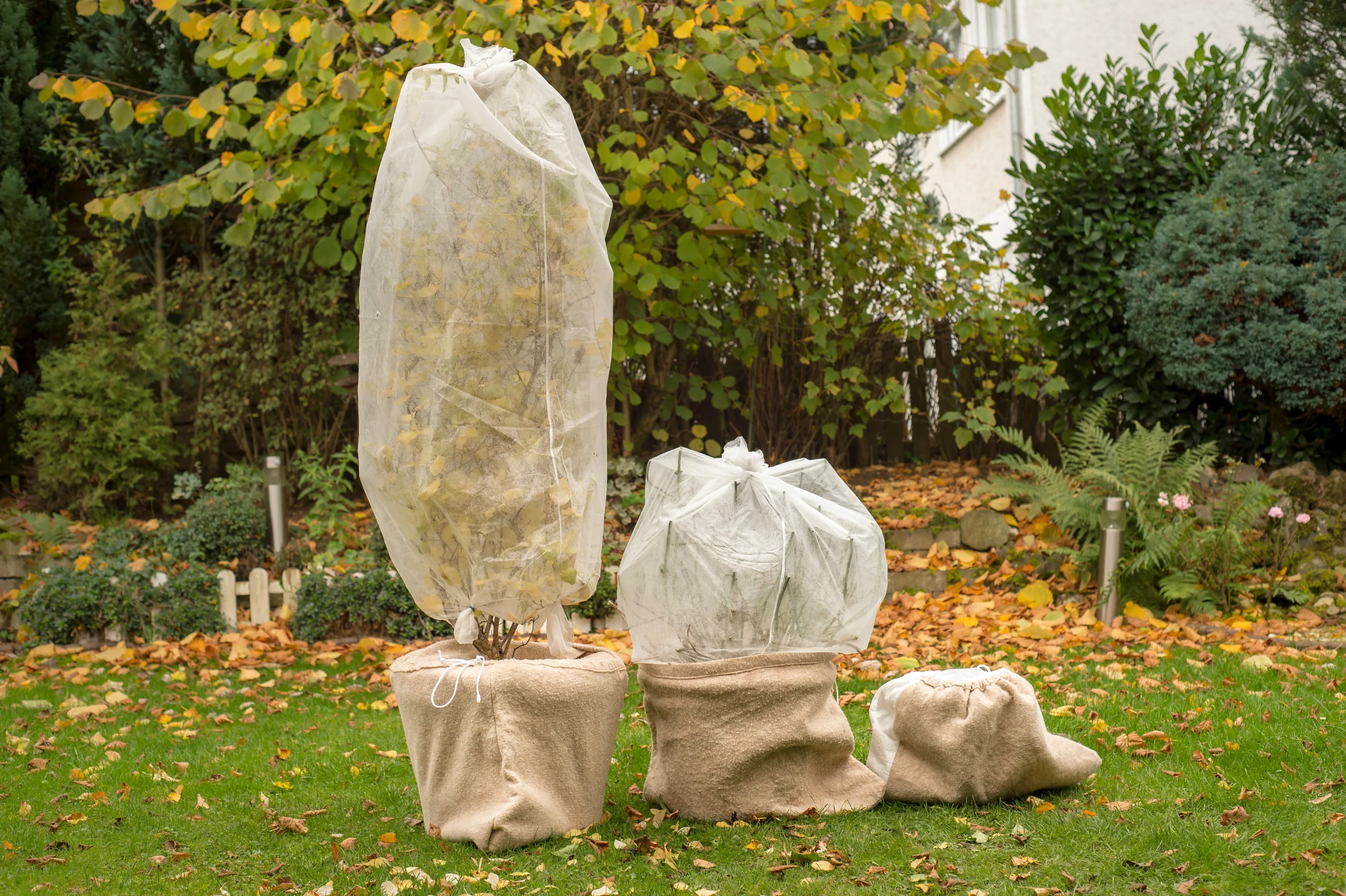
- Shelter pots against walls or wrap them with fleece
- Avoid heavy pruning in autumn
Choosing plants that survive UK winters saves time, money, and effort — while keeping your garden attractive all year round. By mixing evergreen shrubs, winter flowers, and hardy perennials, you can create a garden that looks good even in the coldest months.
If you’re planning ahead, winter is the perfect time to decide what to plant next spring.
Post Comment
You must be logged in to post a comment.