Caring for Garden Wildlife During the Winter Months
Winter can be one of the toughest times of year for wildlife in the garden. Cold temperatures, frozen ground, and reduced food supplies make survival challenging for birds, small animals and insects. Every small action us gardeners can do will make a big difference.
Provide Food Sources
Natural food sources are so important and become scarce during winter months, so anything we can do to add to whatever is a nutrally available is incredibly valuable – especially for birds.
For birds:
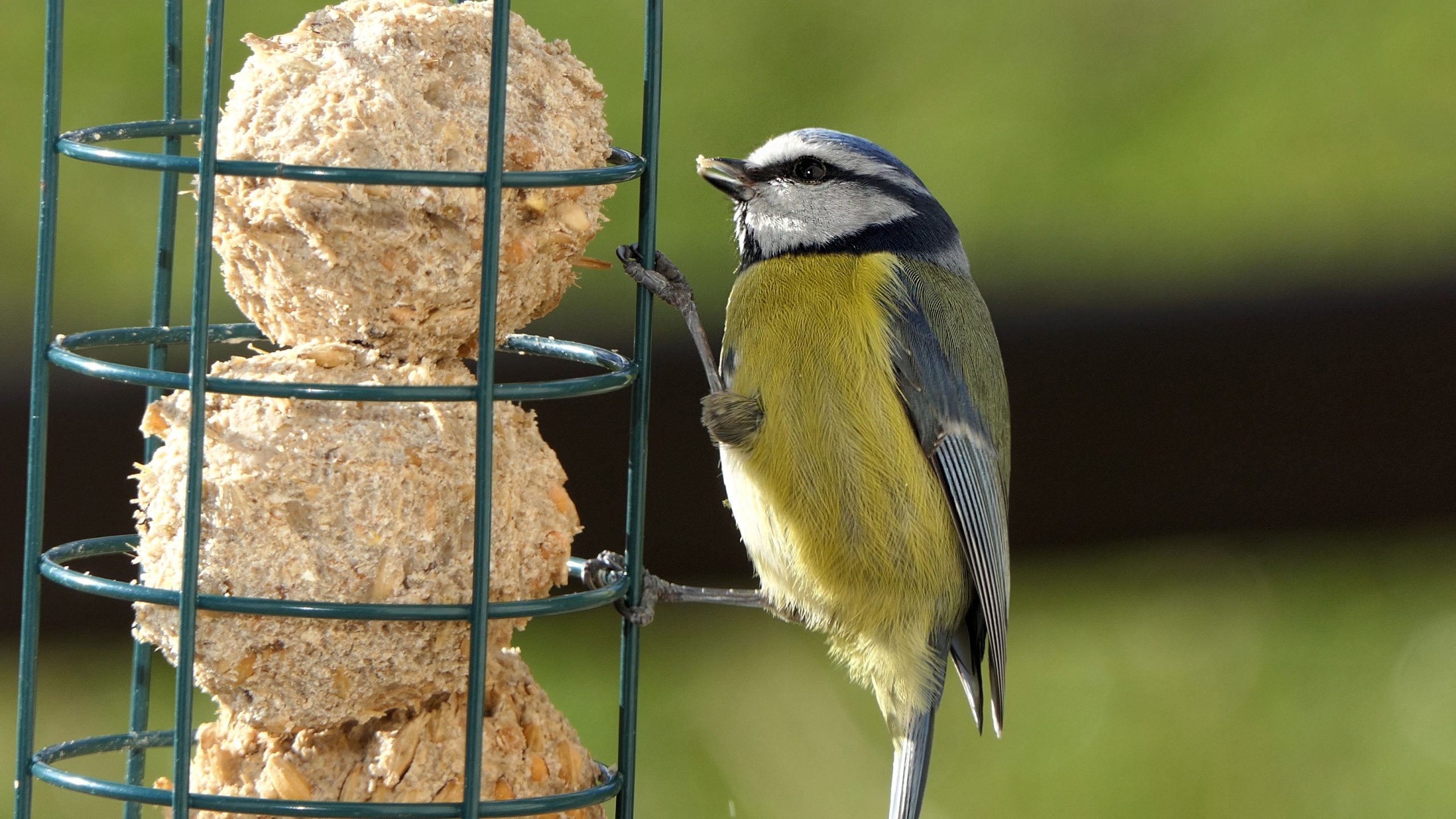
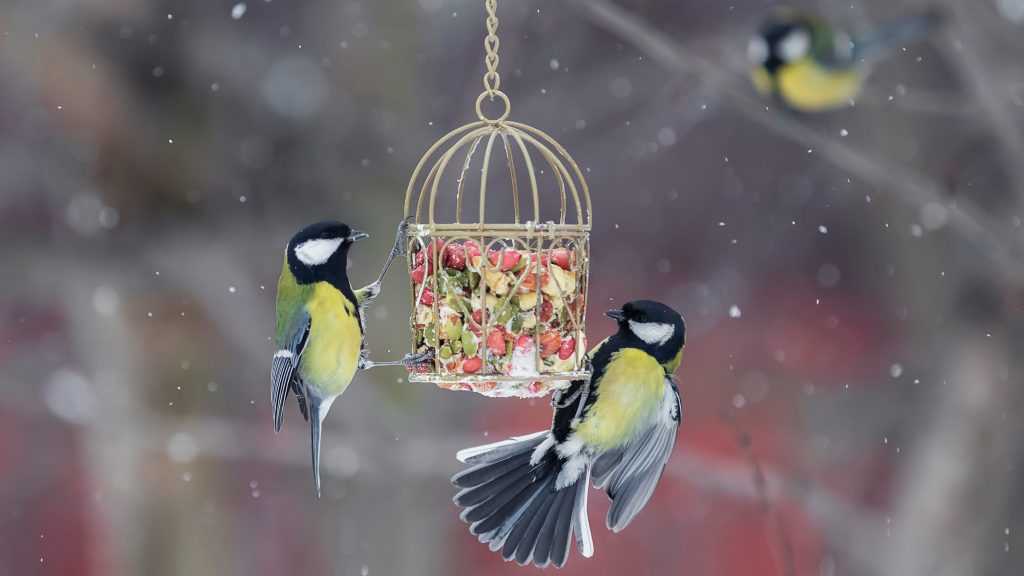
- Put out high-energy foods like sunflower hearts, peanuts, suet blocks, and fat balls
- Avoid bread, which offers little nutrition
- Keep feeders topped up consistently, as birds rely on familiar feeding spots
For small animals:
- Hedgehogs may still emerge during mild spells. Leaving out specialist hedgehog food (not milk) can help underweight individuals
- Fallen fruit left under trees can benefit foxes and badgers
Keep Fresh Water Available
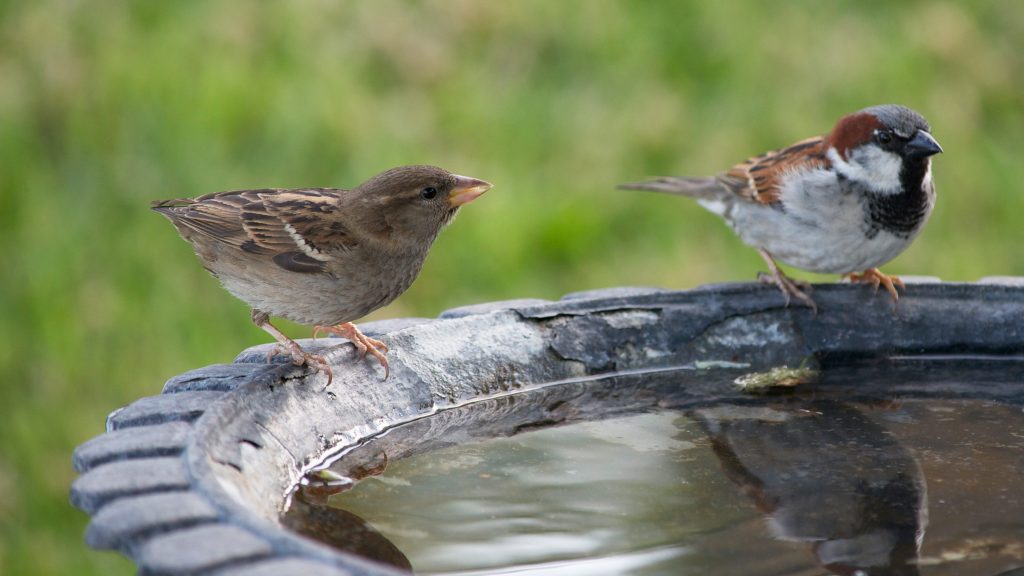
Water is just as important as food, and it’s often harder to find in winter.
- Place shallow dishes of water in sheltered areas
- Check daily and break ice during frosty weather
- Float a small ball or twig in bird baths to reduce freezing
Fresh water supports birds, mammals, and even overwintering insects.
Create Safe Shelter From the Cold
During the winter months, garden wildlife needs places to hide from the freezing temperatures, wind, and predators.
- Leave piles of logs, sticks, or leaves in quiet corners
- Avoid cutting back all plants—hollow stems and seed heads provide shelter
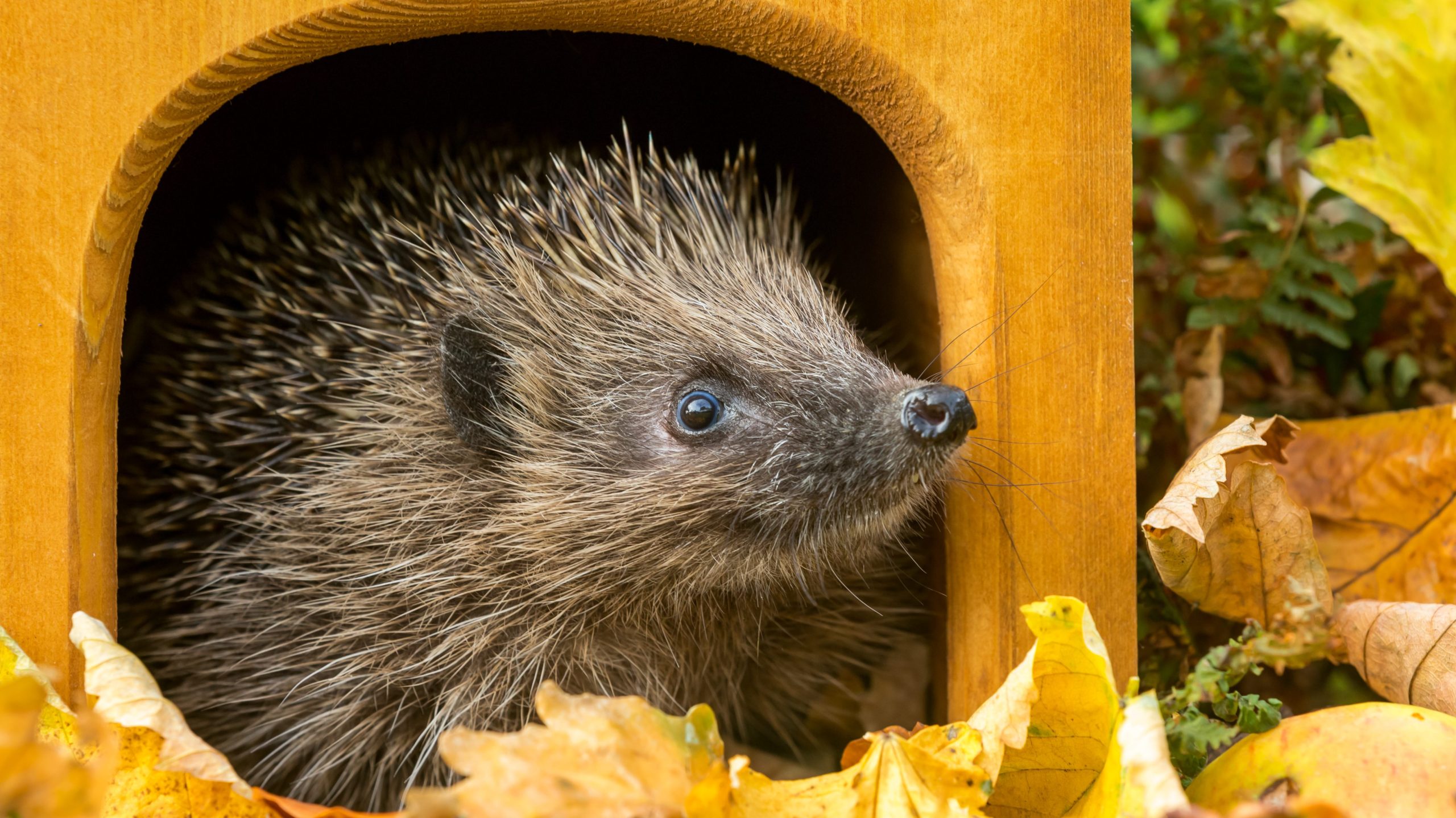
- Install bird boxes and hedgehog houses in sheltered spots
Even the messy-looking areas are valuable winter refuges. You’ll be suprised what might find a home for the winte.r
Let the Garden Be a Little Untidy
As the temperature drops, small animals and insects will be looking for a home; a tidy garden might look neat, but it’s not ideal for wildlife in winter.
- Leave fallen leaves under hedges or in borders
- Keep seed heads on plants like teasel, sedum, and sunflowers
- Delay pruning until spring where possible
These natural materials protect insects and provide food for birds.
Check Before You Clear or Burn
Before lighting bonfires or clearing garden debris:
- Check carefully for hibernating hedgehogs, frogs, and toads
- Move piles gradually over several days to give animals time to escape
This simple habit saves lives during the colder months.
A Small Effort Makes a Big Difference
Caring for the wildlife in your garden over the winter doesn’t require expensive equipment or any major changes – if anything, take astep back and leaving nature alone. Offerings of food and water, and being mindful of hidden creatures can transform your garden into a winter lifeline. When spring arrives, you’ll be rewarded with a healthier, livelier garden full of birdsong, pollinators, and thriving wildlife.