Allotment Insurance: Do You Need It and What Does It Cover?
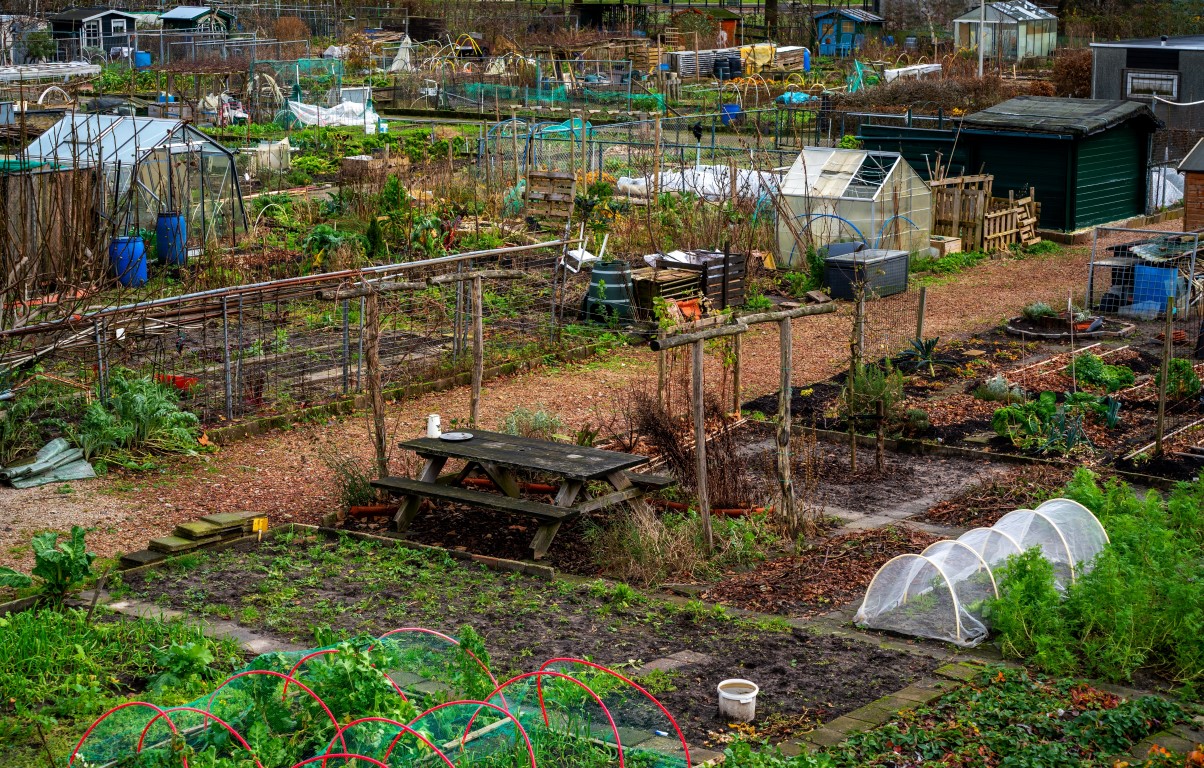
For many gardeners, an allotment is more than just a patch of soil – it’s an investment of time, money, and passion. From sheds and tools to crops and greenhouses, the value of what’s on an allotment can quickly add up. Yet many plot holders aren’t sure whether allotment insurance is necessary, or what it actually covers.
In this guide, we’ll explain what allotment insurance is, why it’s worth considering, and how to choose the right cover for your plot.
What Is Allotment Insurance?
Allotment insurance is a type of specialist cover designed to protect allotment holders against common risks such as theft, vandalism, fire, and damage to structures. It can also include public liability insurance, which protects you if someone is injured on your plot and you are found legally responsible.
Some councils or allotment associations include basic insurance as part of the annual plot fee, but this is often limited. Many gardeners choose to take out their own policy for extra peace of mind.
Why Allotment Insurance Is Important
Allotments are often located in areas with limited security, making them vulnerable to theft and damage. Tools, lawnmowers, sheds, and even crops can be targeted. Replacing these items out of pocket can be expensive and frustrating.
Insurance can help you:
- Recover the cost of stolen or damaged tools and equipment
- Protect sheds, greenhouses, and polytunnels
- Cover the value of plants, crops, and produce
- Guard against legal claims if someone is injured on your plot
For some allotment sites, having public liability insurance is a requirement rather than an option.
What Does Allotment Insurance Typically Cover?
Coverage varies between providers, but most allotment insurance policies may include:
1. Sheds and Structures
This can cover sheds, greenhouses, cold frames, polytunnels, and fencing against risks like fire, storm damage, flood, or vandalism.
2. Tools and Equipment
Hand tools, power tools, lawnmowers, strimmers, and wheelbarrows are often covered against theft or damage, usually when stored securely.
3. Plants and Crops
Some policies include cover for plants, seeds, and crops damaged by fire, flooding, or vandalism (though frost and pests are usually excluded).
4. Public Liability Insurance
This protects you if a visitor, fellow plot holder, or committee member is injured on your allotment and makes a claim against you.
5. Personal Accident Cover (Optional)
Certain policies offer optional cover if you are injured while working on your allotment.
What’s Usually Not Covered?
It’s just as important to understand exclusions. Common exclusions include:
- Wear and tear
- Poor maintenance
- Damage caused by pests or vermin
- Frost damage to plants
- Theft from unlocked or unsecured sheds
Always read the policy wording carefully so you know exactly what is and isn’t included.
How Much Does Allotment Insurance Cost?
Allotment insurance is generally affordable. Basic policies can start from around £20–£40 per year, depending on:
- The value of your shed and contents
- Whether you include public liability cover
- The level of security on your allotment site
Compared to the cost of replacing tools or rebuilding a shed, insurance is often seen as good value.
Do You Already Have Cover?
Before buying a policy, check:
- Your home insurance (some policies include limited cover for allotments)
- Your allotment association or council agreement
- Any membership benefits from gardening organisations
If existing cover is limited, a standalone allotment insurance policy may still be worthwhile.
How to Choose the Right Policy
When comparing allotment insurance, consider:
- The total value of your tools, shed, and equipment
- Whether public liability cover is included
- Security requirements (locks, anchors, alarms)
- Excess amounts and claim limits
Choosing a policy that matches how you actually use your allotment will ensure you’re properly protected.
Allotment insurance isn’t legally required in every case, but for many UK plot holders it’s a sensible precaution. With relatively low annual costs, it can protect your hard work, investment, and peace of mind throughout the year.
Whether you’re a new allotment holder or a seasoned grower, taking a few minutes to review your insurance options could save you a lot of trouble in the future.

Post Comment
You must be logged in to post a comment.