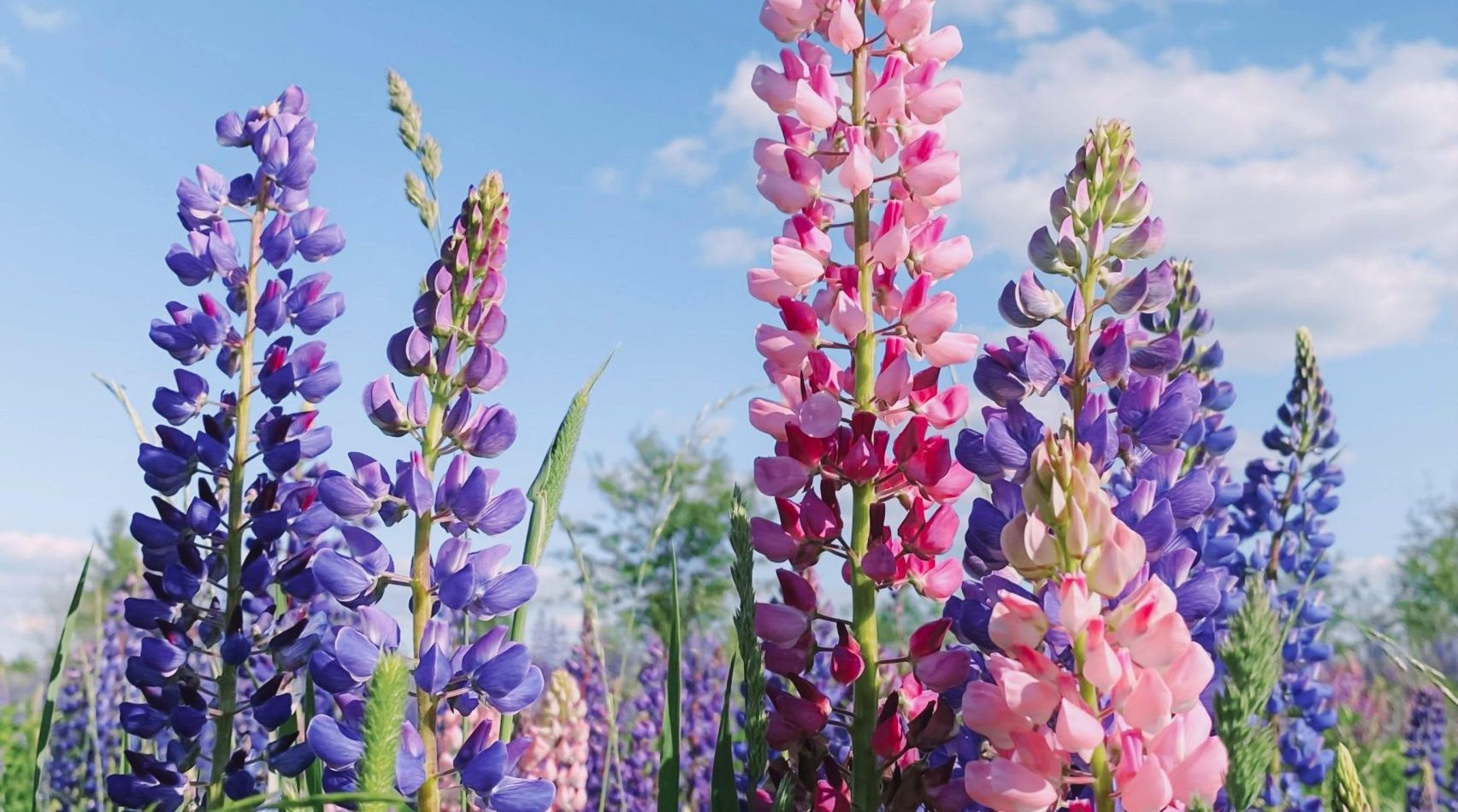
Growing Lupins – A Simple Guide
Everything you need to know about growing your own beautiful, eyecatching display of these majestic
perennials.
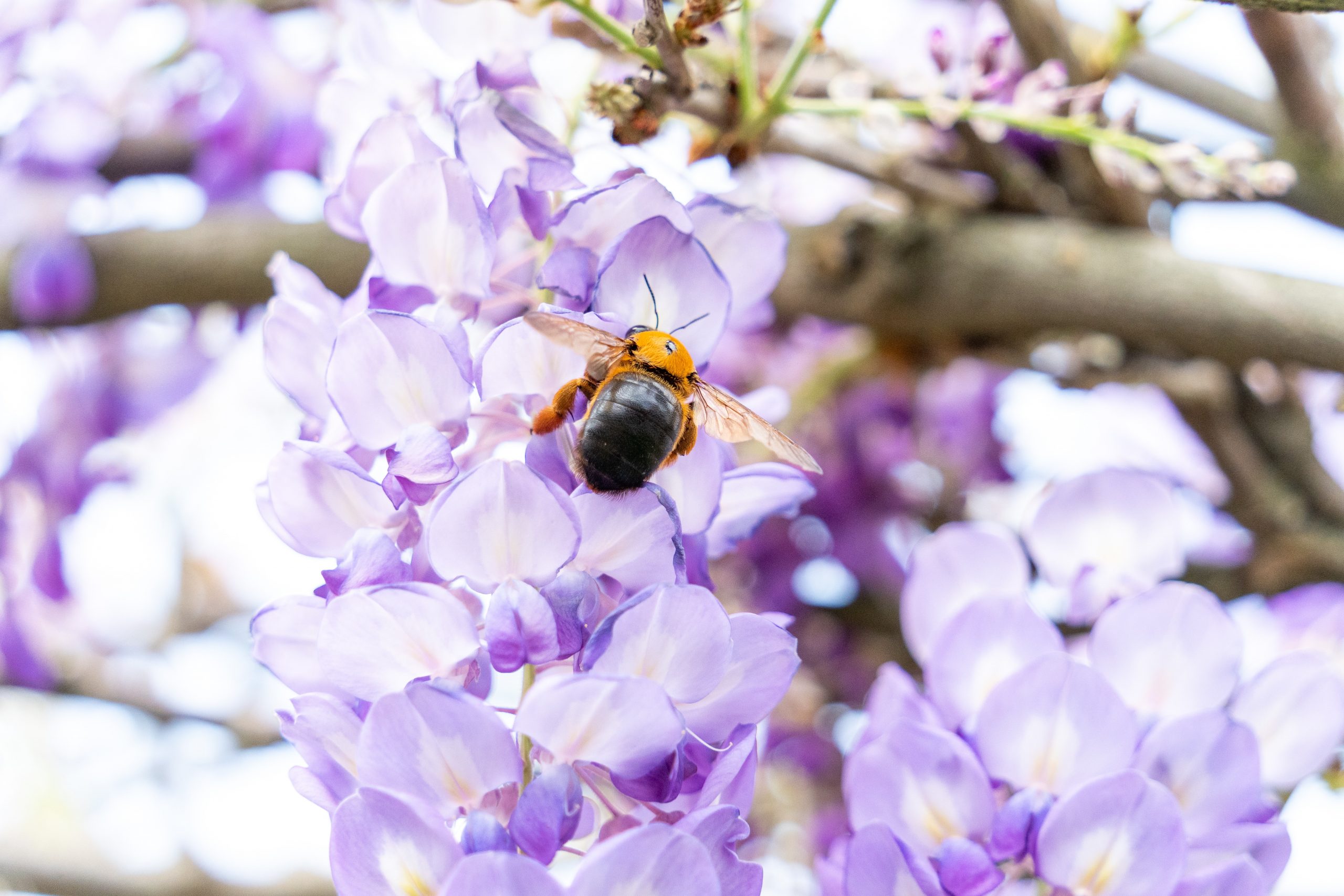
A firm favourite of bees, what cottage garden would be complete without a beautiful display of lupins? These tall flowers are available in a wide range of splendid colours, enough to brighten up any border. With their tall spires, reaching 1m to 1.2m lupins would also suit contemporary gardens.
Sowing
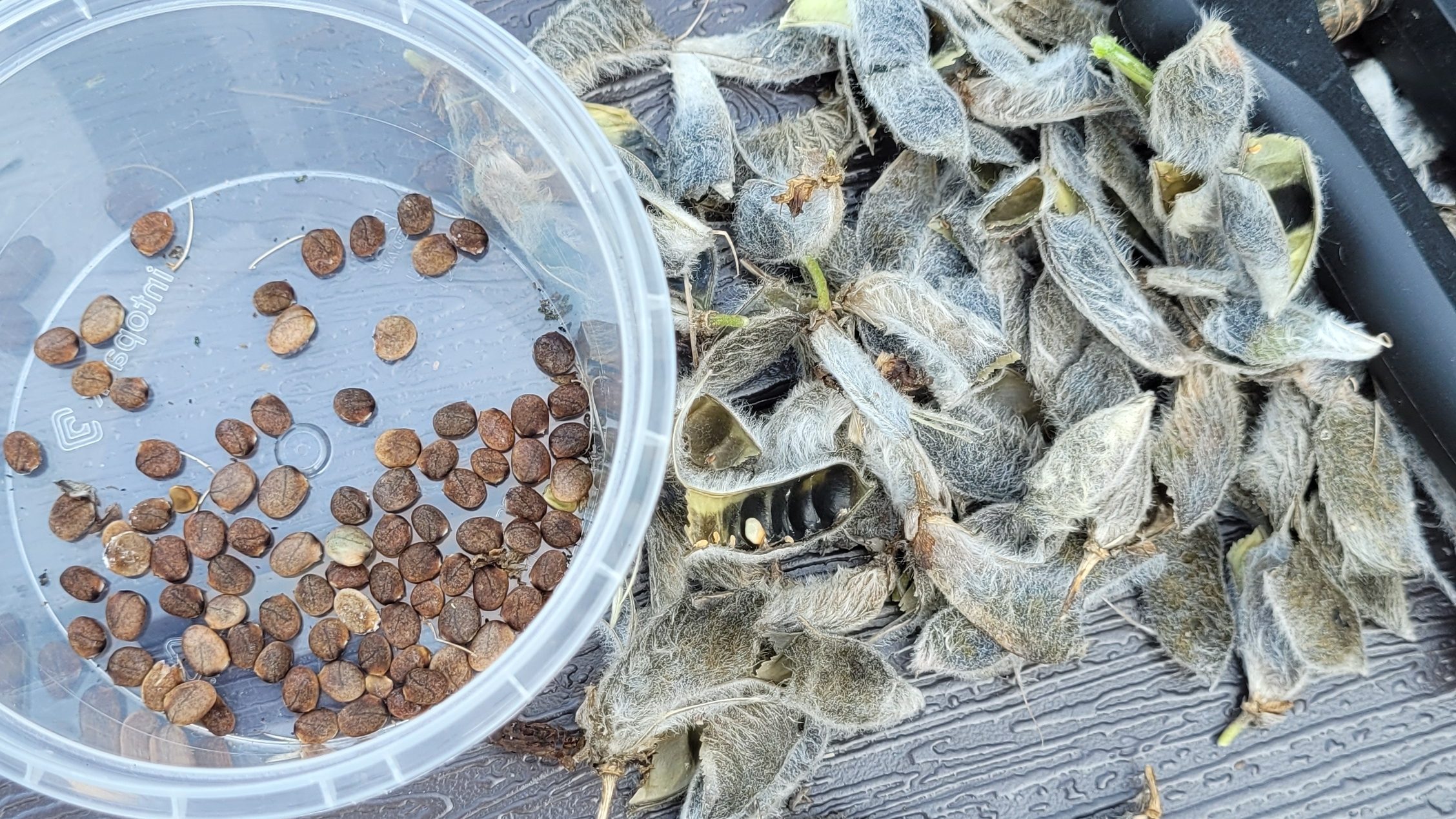
Growing lupins can be done from seed, the seed packets are likely to be a mixture of colours. Easy to grow, youcan start growing your own lupins with a seed tray and a packet of seeds. Try soaking the seed the night before planting, this will encourage germination.
Lupins are also self seeding, this is a great way for the plant to grow naturally. You’ll need to protect the young shoots from slugs and snails. Keep them in a greenhouse or on a windowsill. Consider using
a propagator in the early stages before planting out. Some plants may flower in the first year. Others may only flower in the second year once fully established.
Planting out
You can plant out your lupins when they are established, 9cm (3½in) or larger. Lupins benefit from either full sun or a dappled shade position and like most tall perennials, would appreciate being protected from the wind.
While lupins can grow in pots, they have a large root system would be better in the ground. Because of their height, lupins are best positioned towards the back of a border, where they will also benefit from some protection against strong winds.
After care
Like other perennials, the flowering period fades and you should deadhead flowers before they go to seed. This will encourage a second wave of beautiful flowers.
As Autumn approaches and flowering has finished for the year, you should cut lupins right back to the ground after collecting seed.