Simple Gardening Jobs for March
With the arrival of spring, an array of tasks beckon, promising both challenge and fulfillment.
March brings forth a tapestry of responsibilities, from pruning dormant trees and shrubs to preparing the soil for the upcoming planting season. Tender seedlings yearn for nurturing hands to transplant them into the warming earth, while perennials eagerly await division and rejuvenation.
You may find yourself meticulously sowing seeds, cultivating early-season crops, and meticulously tending to emerging blooms. As the days lengthen and the earth awakens, there’s no shortage of tasks to engage the green-thumbed enthusiast, offering not only a bountiful harvest but also a profound connection to the rhythm of nature.
Pruning
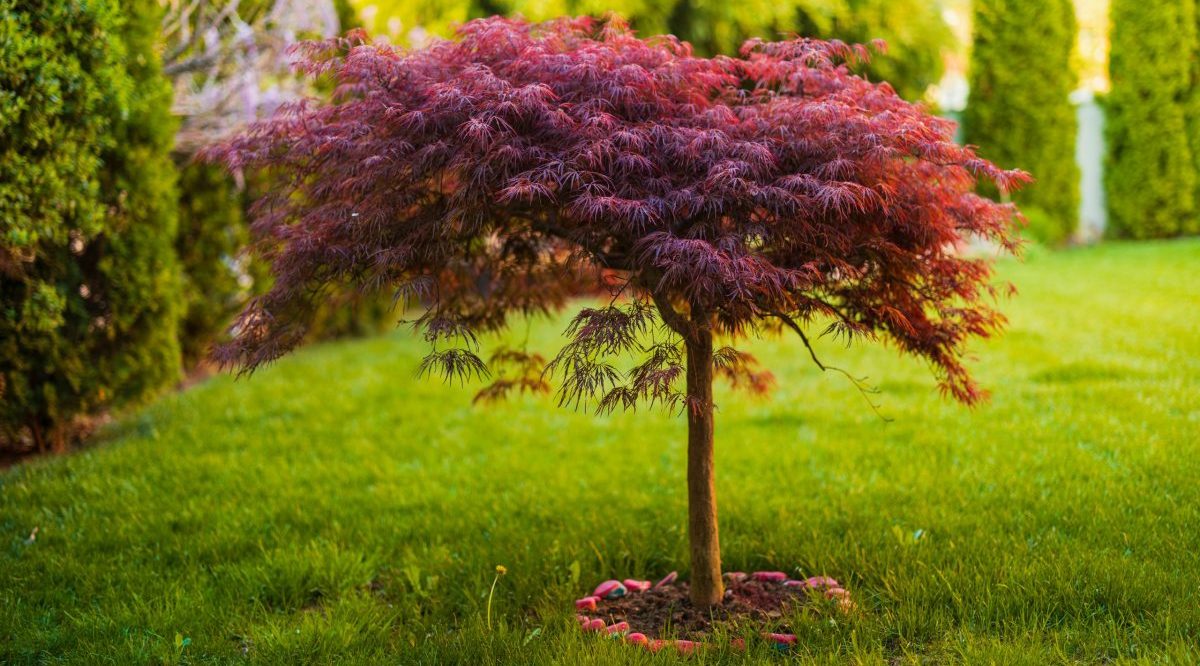
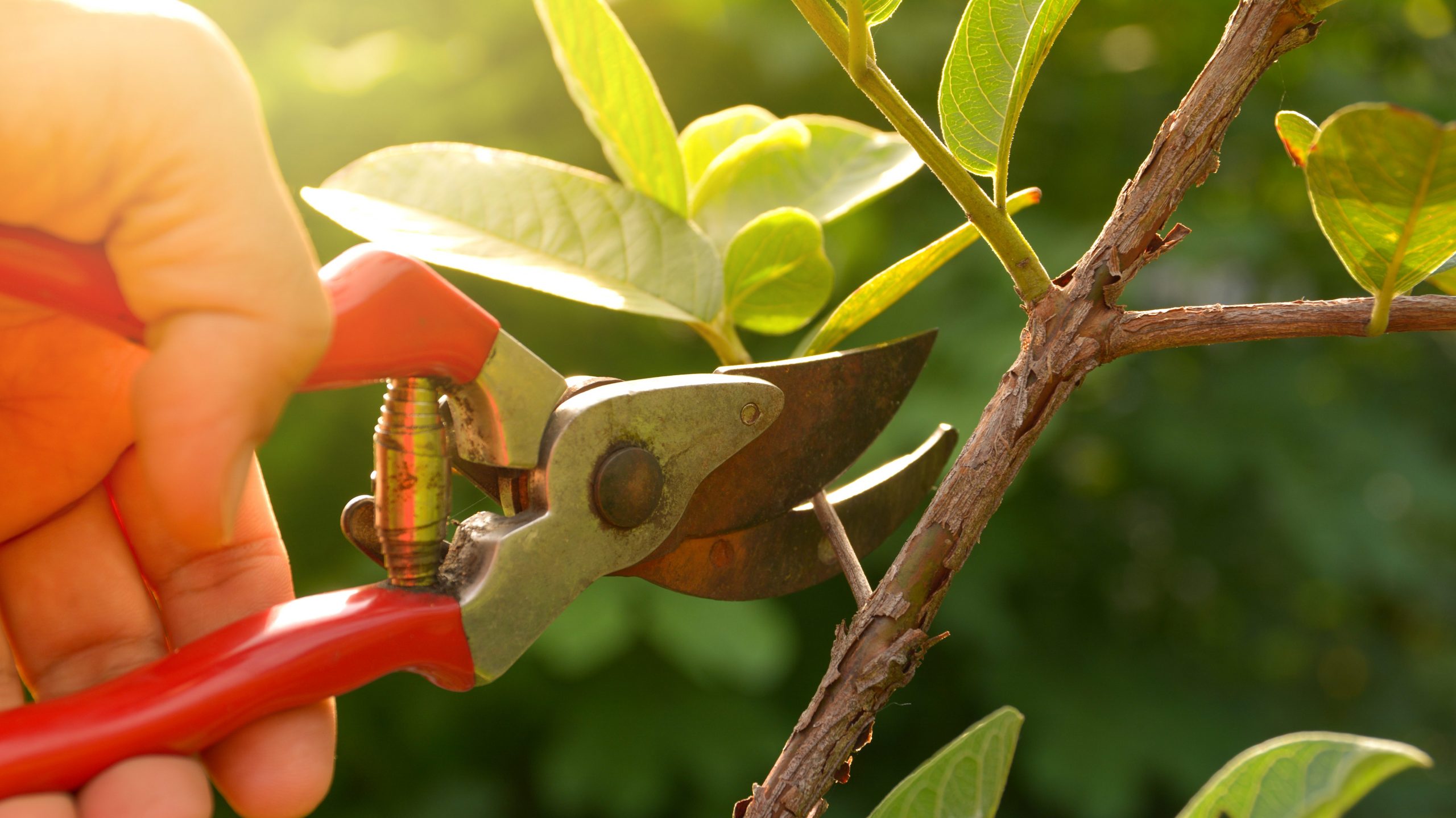
Trim back any dead, diseased, or damaged branches from trees, shrubs, and bushes before new growth begins in early spring. This will prevent the spread of disease, improves air circulation with the plant, and allows the plant to direct its energy toward producing strong, healthy shoots.
Soil Preparation
Turn over the soil in preparation for planting, loosening it to a depth of around 20–30 cm (8–12 inches). This helps break up compacted ground, improves drainage, and allows plant roots to grow more easily. As you work the soil, remove any weeds, stones, or debris that could interfere with healthy plant development.
Planting
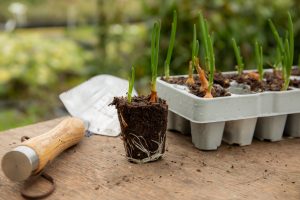
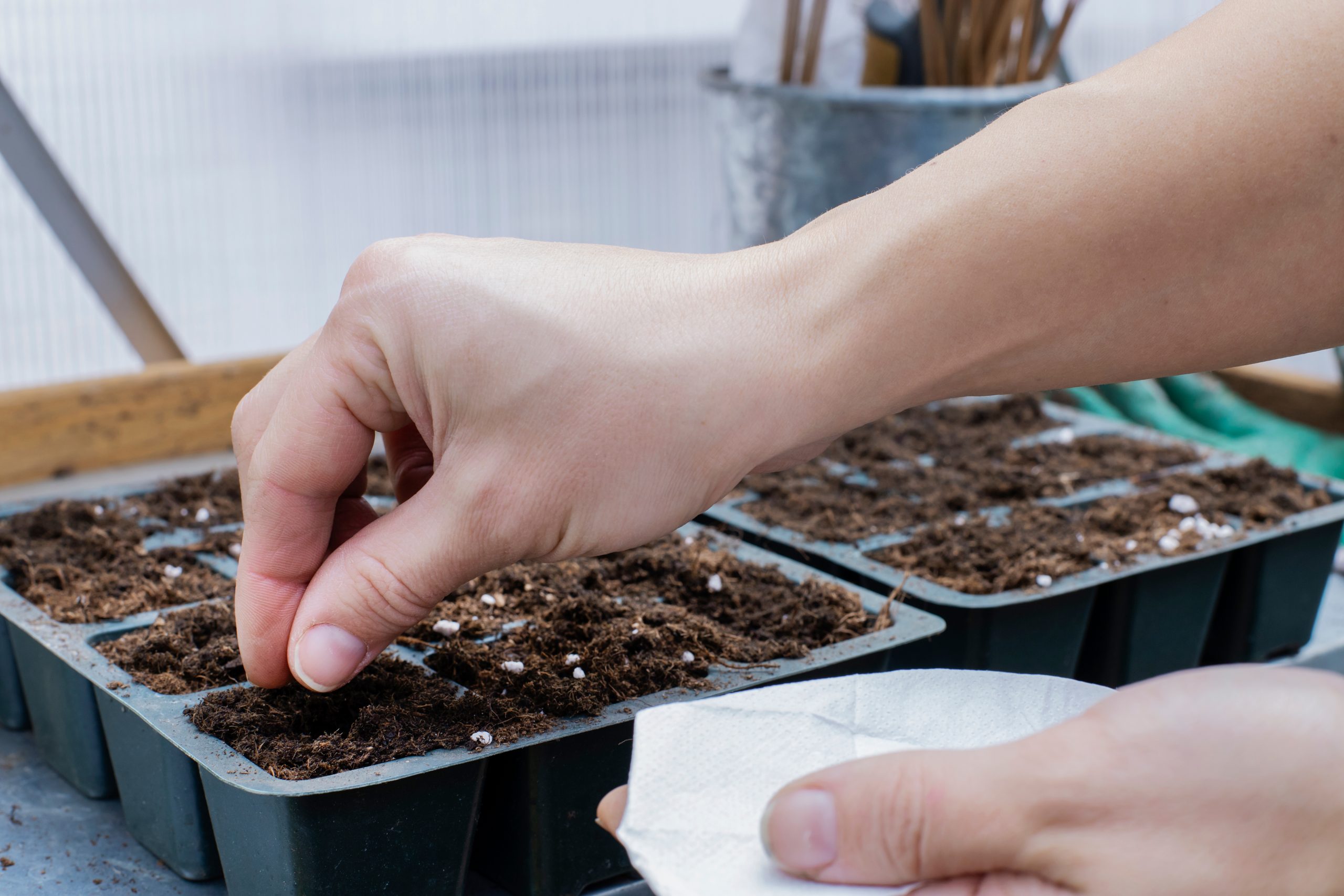
Sow seeds indoors for later transplanting so young plants have a strong, healthy start before they are exposed to outdoor conditions. Use seed trays or small pots filled with a light seed-starting mix, and place them in a warm, well-lit location such as a sunny windowsill or under grow lights.
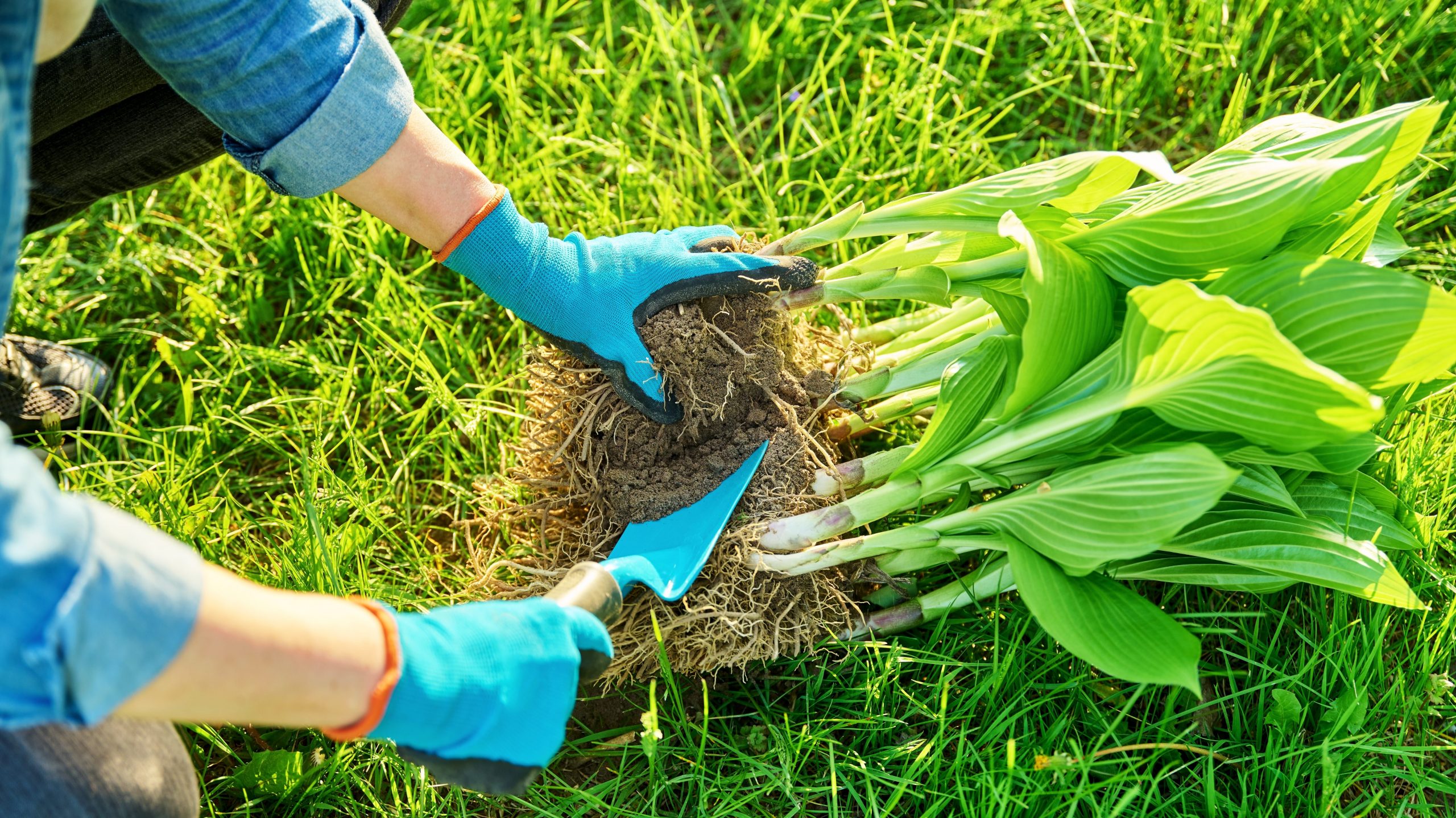
Dividing Perennials
Split overcrowded perennial plants including Hostas and Ornamental grasses to promote healthier growth and create new plants for other parts of the garden. Over time, these perennials form dense clumps that compete for nutrients, water, and space. Dividing them every few years rejuvenates the plant, improves air circulation around the roots, and encourages stronger flowering and foliage.
Weeding
Remove weeds before they have a chance to establish and compete with your desired plants. Young weeds grow quickly and can steal valuable sunlight, water, and nutrients from vegetables, flowers, and shrubs. By removing them early – while their roots are still shallow – you make the job much easier and prevent them from spreading throughout the garden.
Mulching
Apply a layer of mulch around plants to help suppress weeds, retain soil moisture, and regulate soil temperature. Mulch acts as a protective barrier on the soil surface, reducing the amount of sunlight that reaches weed seeds and slowing their growth. It also helps the soil stay moist by reducing evaporation, meaning plants require less frequent watering.
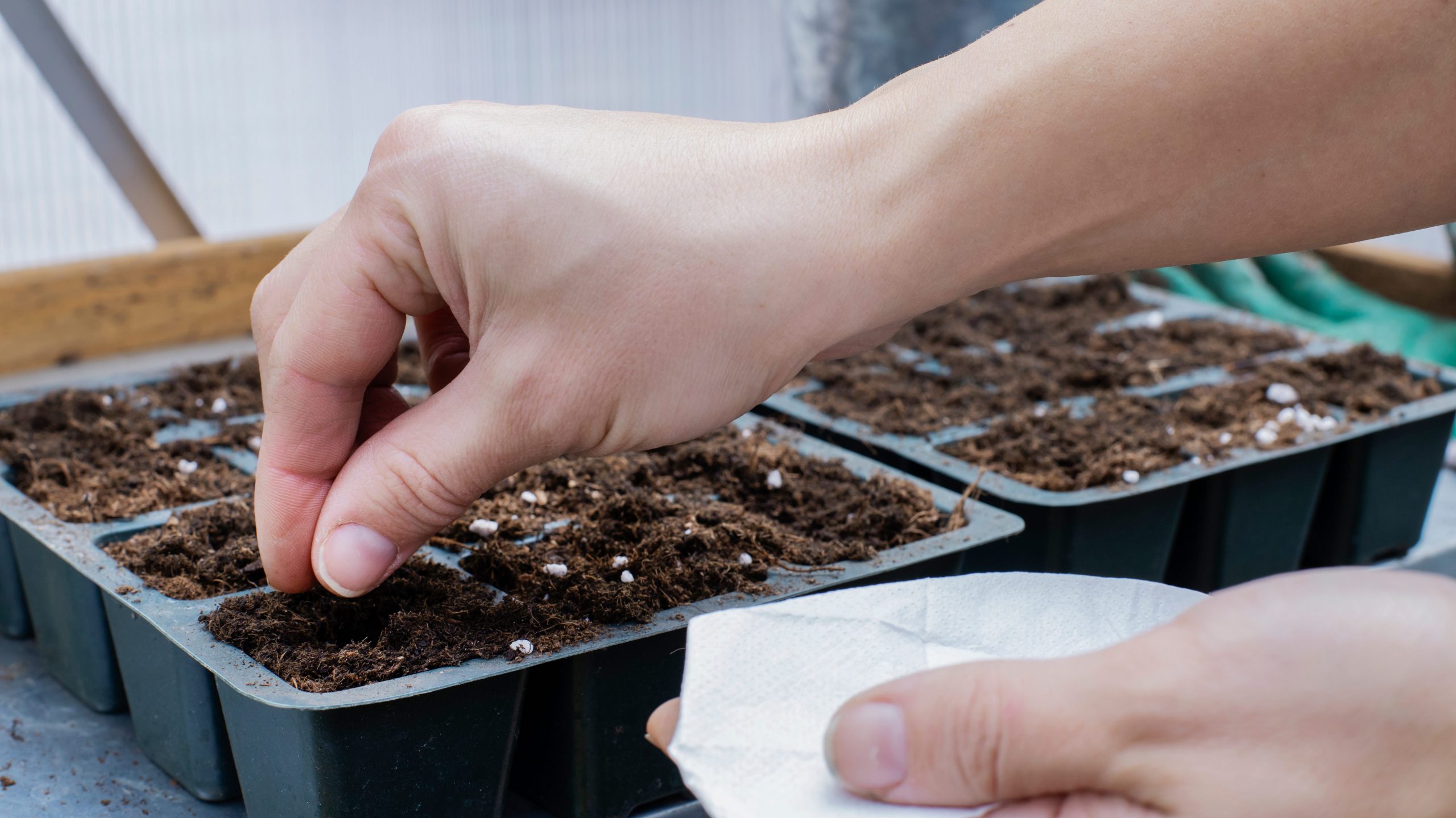
Starting Seedlings
Begin sowing seeds indoors for warm-season vegetables and flowers that require a longer growing season to mature. Starting these plants indoors several weeks before the last expected frost gives them time to develop strong roots and sturdy growth before being transplanted outside. This head start will help ensure earlier harvests, stronger plants, and better overall productivity in the garden.
Fertilising
Feed your plants with a balanced fertiliser to support healthy growth, strong roots, and abundant flowers or crops. As plants begin active growth in spring, they use up nutrients in the soil more quickly, so replenishing these nutrients helps them thrive and reach their full potential.

Planning and Designing
Use this time to carefully plan and design your garden layout for the upcoming season. A thoughtful plan helps you make the most of your space, ensures plants grow well together, and can significantly improve yields while reducing pest and disease problems. Start by mapping out your garden beds, containers, or growing areas on paper or digitally.
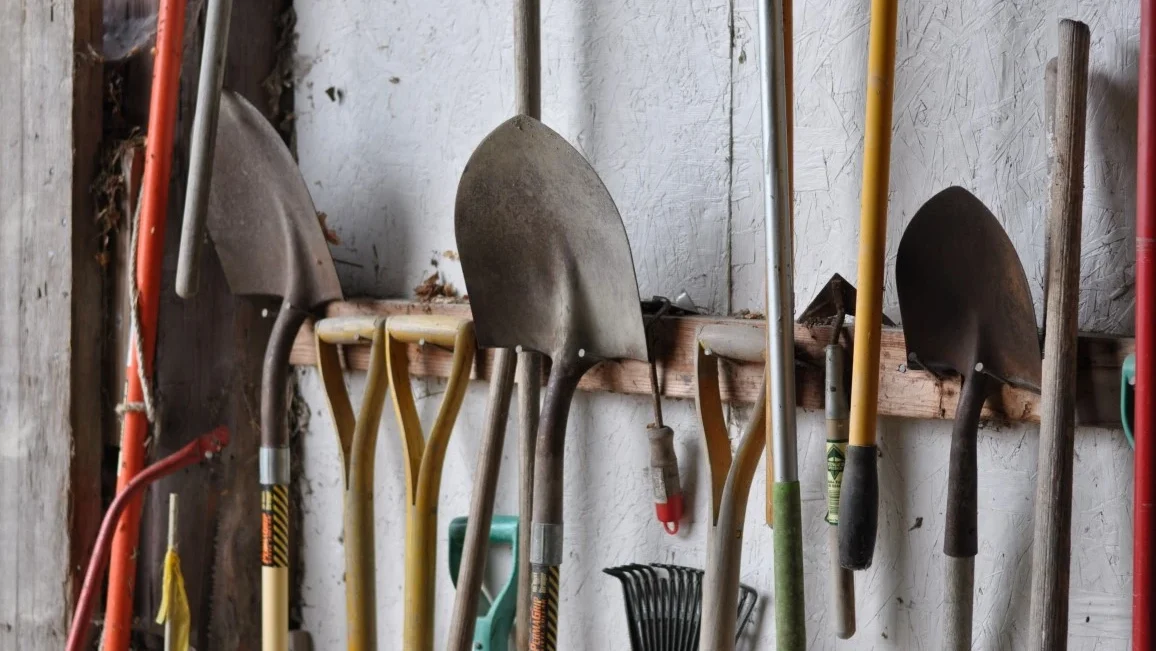
Tool Maintenance
Clean and sharpen your garden tools to ensure they’re ready for the busy season ahead. Well-maintained tools not only make gardening easier and more efficient, but also help prevent the spread of pests and diseases between plants. Start by removing any dirt, rust, or plant residue from your tools using a stiff brush and warm, soapy water.
Watering
Monitor soil moisture levels and water as needed, especially for newly planted seeds and seedlings. Try leaving a small watering can by your seed trays as a daily reminder to check moisture levels.
Protecting from Frost
Keep an eye on weather forecasts and be prepared to protect tender plants from unexpected late frosts, which can damage or even kill young growth. Even when days are mild, temperatures can still drop sharply at night in early spring, especially in exposed or low-lying areas of the garden.
Use protective measures such as cloches, horticultural fleece, row covers, or even upturned pots and containers to shield vulnerable plants.