6 Sustainable Gardening Practices: Eco-Friendly Tips for Greener Gardens
Whether you’re an avid gardener or just starting out, doing just some of these eco-friendly techniques into your gardening routine will not only benefits the planet but also create a healthier and more resilient garden. From conserving water to creating a more biodiverse garden – here are some tips for cultivating a greener garden sustainably.
Practice Water Conservation
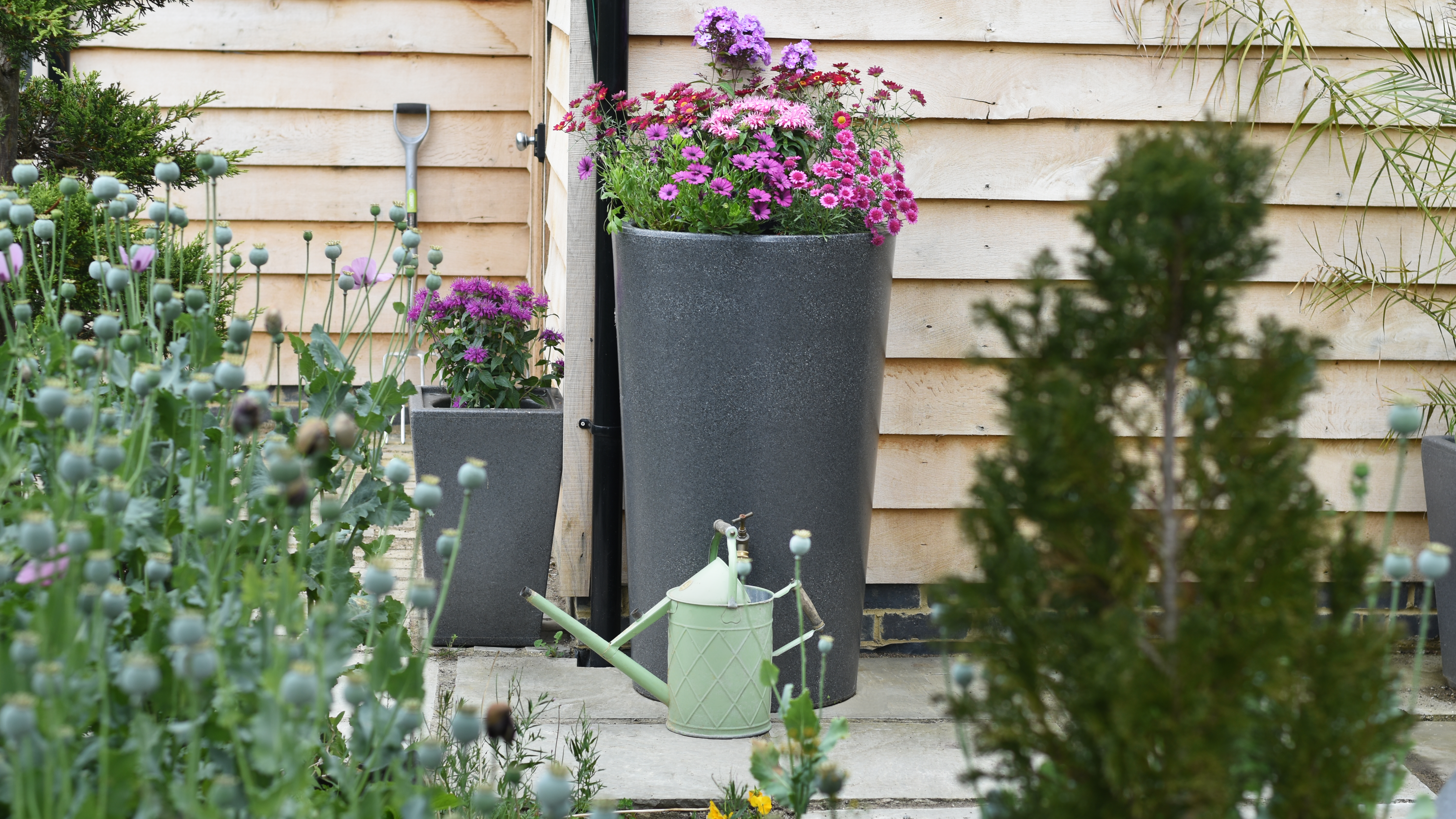
Reduce your water usage by implementing some water-saving gardening techniques such as mulching, drip irrigation, and rainwater harvesting. Mulching helps retain soil moisture, reduces evaporation, and suppresses weed growth. Drip irrigation delivers water directly to the plant roots, minimising waste. Installing a water butt or rainwater harvesting system allows you to collect and store rainwater for use in your garden, reducing reliance on mains water sources.
Compost Organic Matter
Composting kitchen scraps, yard trimmings, and other organic materials creates nutrient-rich compost that improves soil structure, fertility, and moisture retention. By composting instead of sending organic waste to landfills, you reduce greenhouse gas emissions and promote sustainable nutrient cycling in your garden ecosystem.
Related article: Benefits of using brewed coffee grounds in your garden
Conserve Energy
Reduce your energy usage in your garden by opting for manual tools and equipment whenever possible. Hand tools such as pruners, hand trowels, and weeders require no electricity and provide a more sustainable alternative to powered tools. If you use powered equipment like lawn mowers or trimmers, choose energy-efficient models and maintain them regularly to maximise efficiency.
Create a Pollinator Habitat
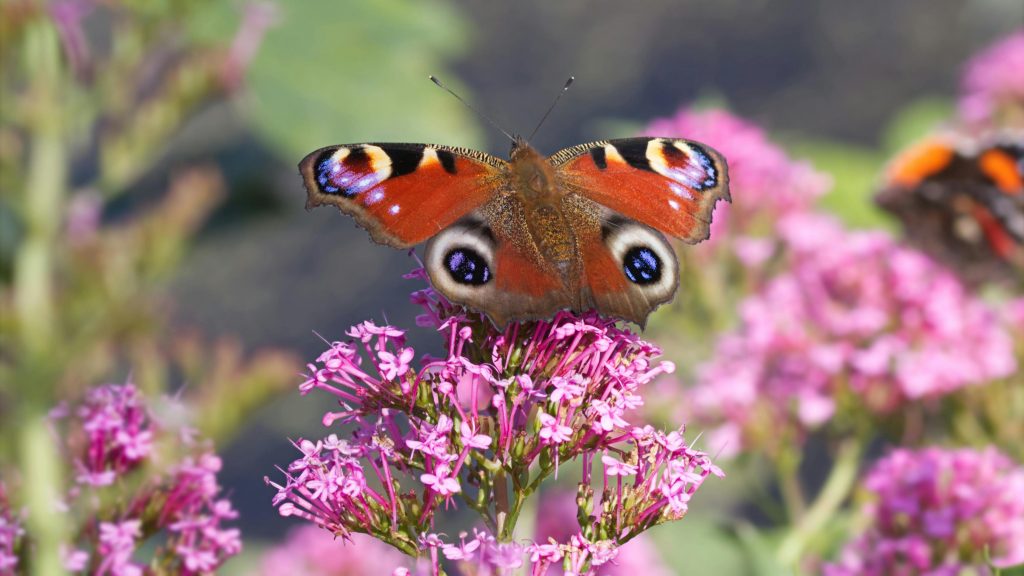
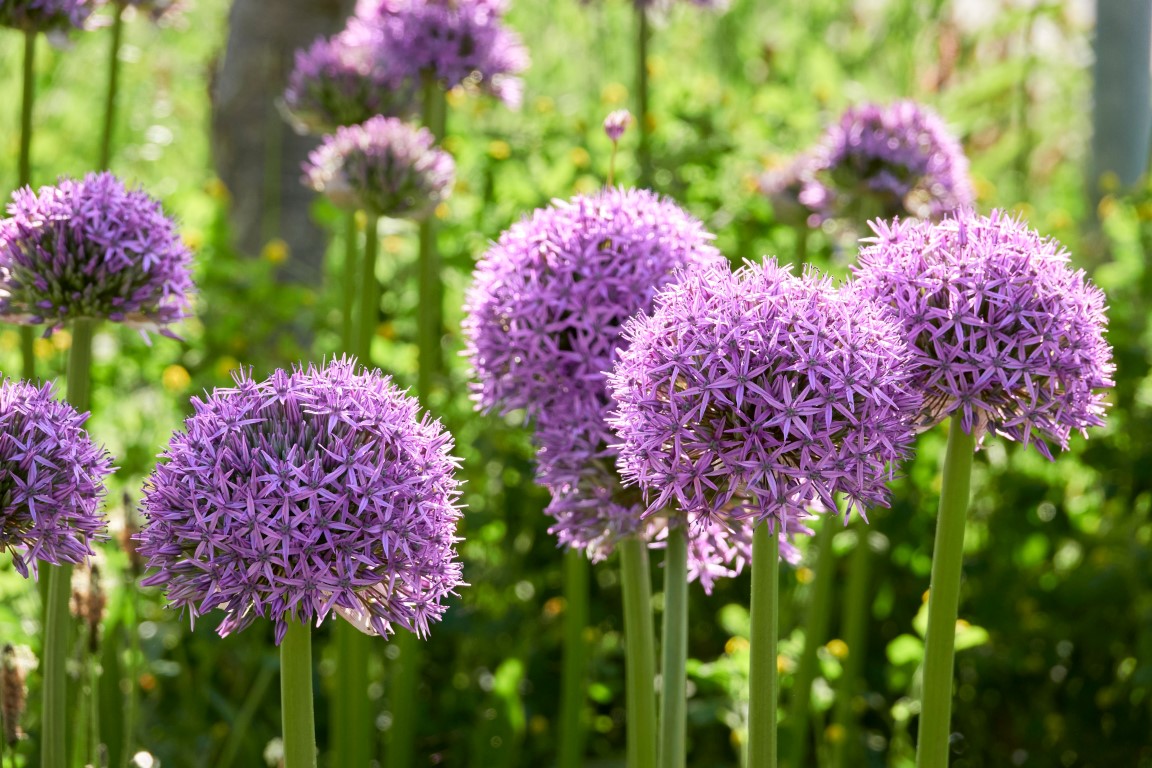
Building a welcoming environment for pollinators such as bees, butterflies, and hummingbirds by planting a diverse array of nectar-rich flowers. Include flowering plants with varying bloom times to provide a continuous food source for pollinators throughout the growing season. Avoid using pesticides that harm pollinators, and leave some areas of your garden untamed to provide nesting sites and shelter for beneficial insects.
Related Article: Creating a Pollinator Paradise
Reduce Lawn Area
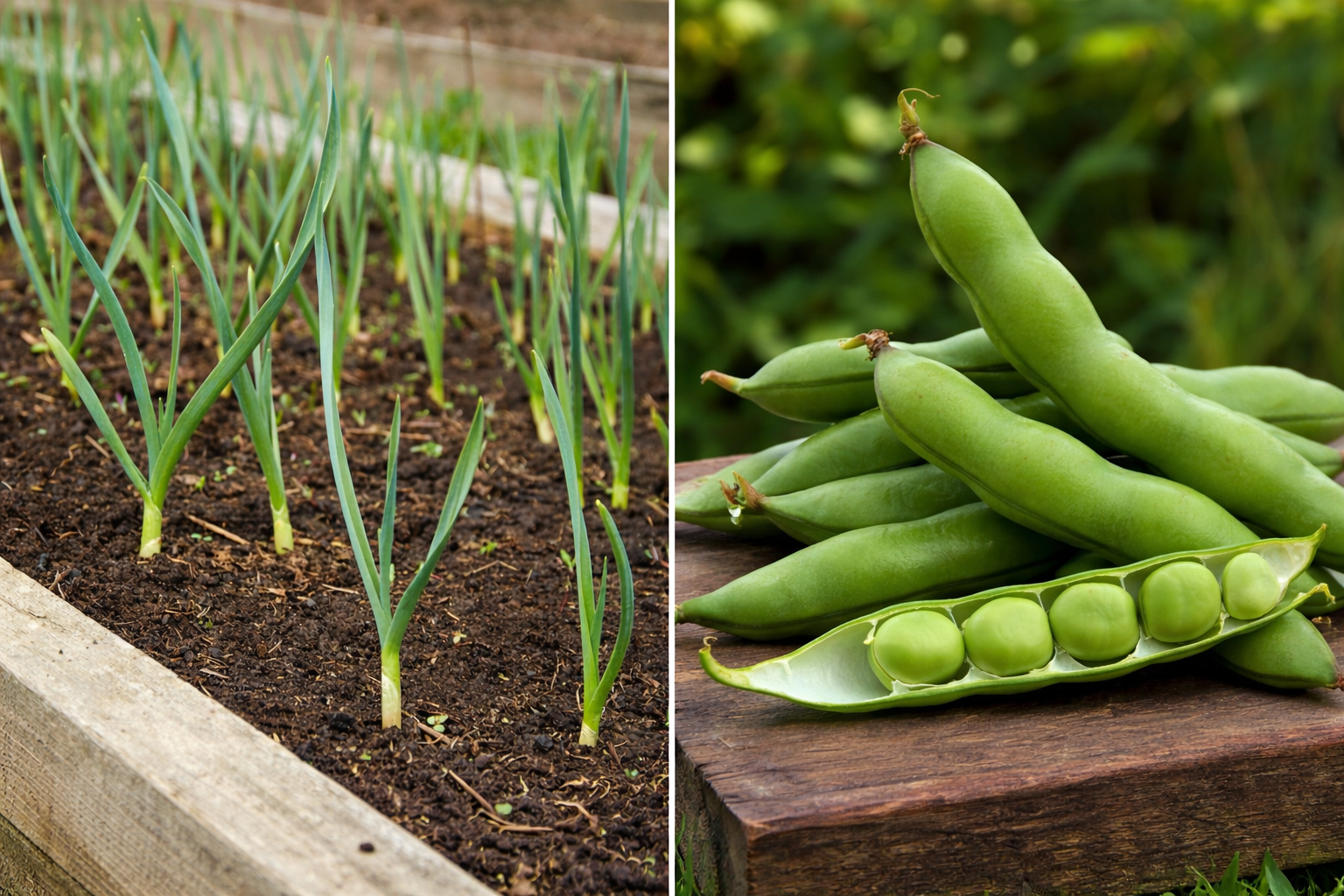
Minimise the size of your lawn and replace it with low-maintenance, eco-friendly alternatives such as native ground covers, perennial flower beds, or edible gardens. Lawns require significant inputs of water, fertiliser, and fuel for maintenance, whereas diverse plantings contribute to biodiversity, soil health, and ecosystem resilience.
Support Sustainable Garden Products
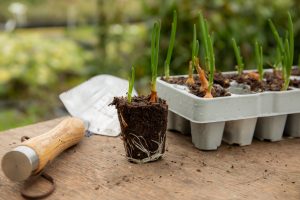
Choose gardening products and materials that are environmentally friendly such as manure and locally produced mulch. Look for organic fertilisers, composts, and soil amendments that are free from synthetic chemicals and harmful additives. Choose sustainable gardening practices, such as biodegradable pots, eco-friendly packaging, and recycled materials whenever possible.