8 Easy Vegetables: A Beginners Guide
A simple guide to easy-to-grow vegetables in the UK
Starting a vegetable garden is one of the best ways to enjoy fresh, seasonal food. There are many vegetables that thrive with relatively little effort, perfect for beginners or if you’re looking to grow your own with limited time. Below are some beginner-friendly vegetables, each with practical growing tips to help you get started.
Carrots
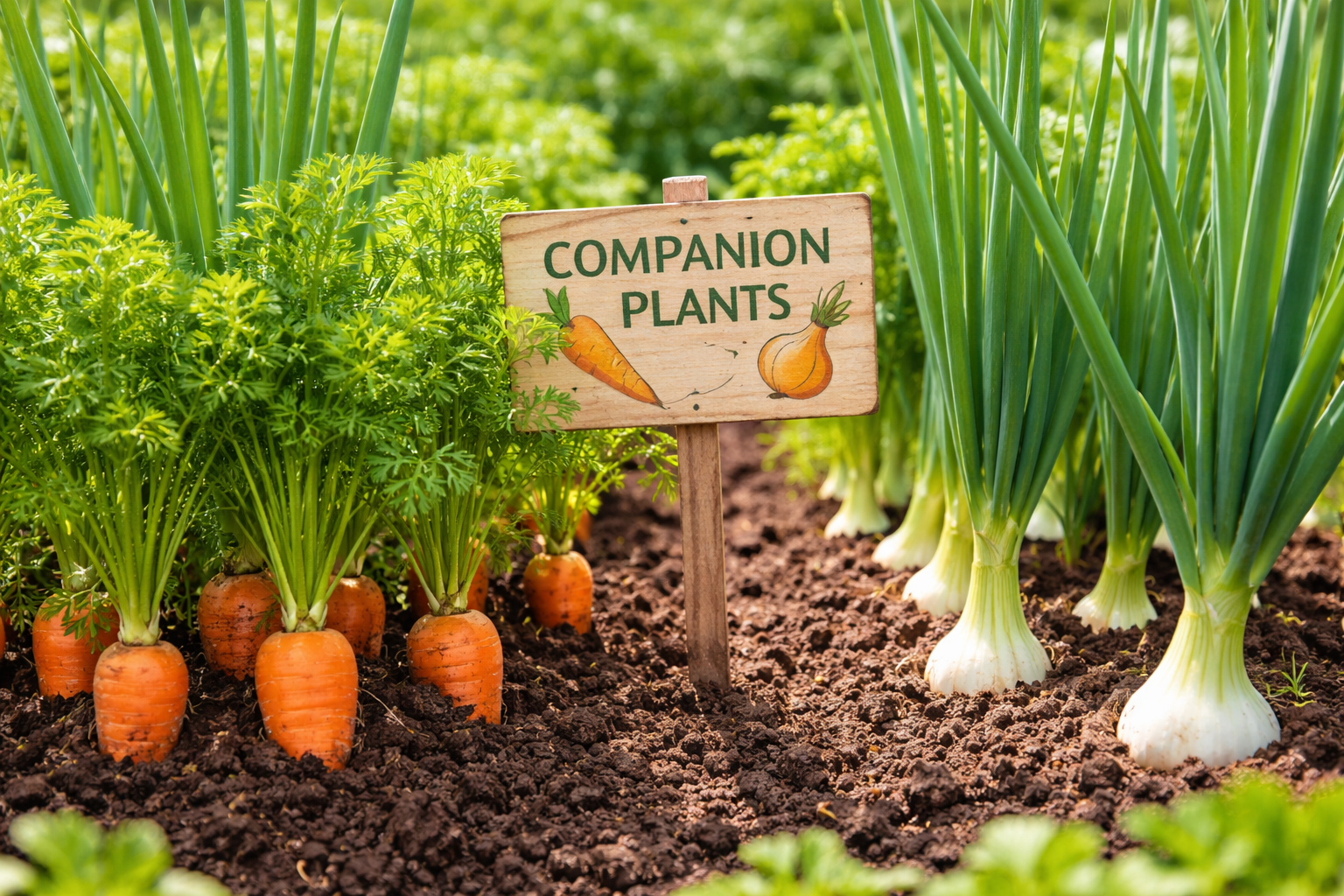
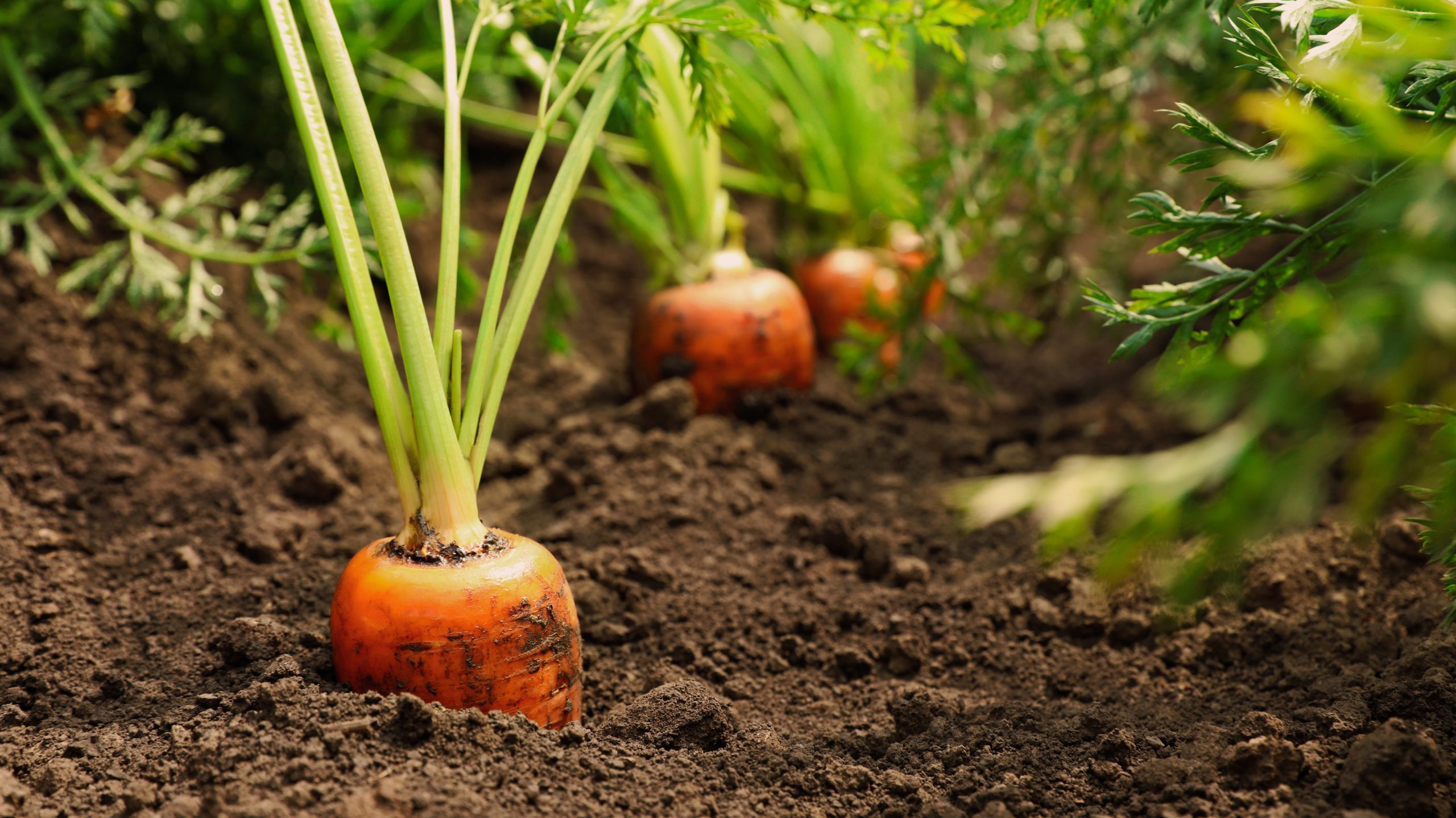
Carrots are a classic choice for beginners. They grow well in the UK’s cool climate and can be sown directly into the ground from early spring. Varieties like ‘Nantes’ and ‘Chantenay’ are very reliable. Homegrown carrots are often sweeter and more flavourful than ones brought in the shops.
Helpful tips for growing carrots:
- Sow seeds directly into fine, stone-free soil to prevent misshapen roots.
- Avoid transplanting — carrots dislike root disturbance.
- Thin seedlings gradually to give roots space to develop.
- Water consistently during dry spells to prevent splitting.
Potatoes
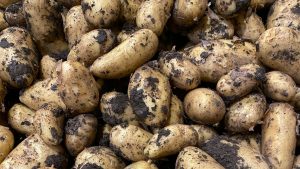
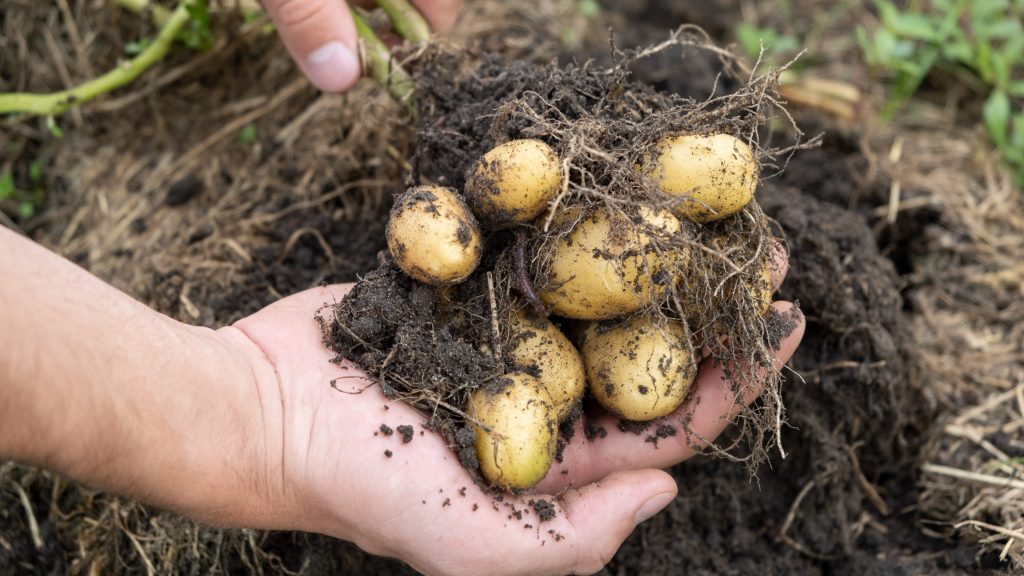
Potatoes are one of the easiest and most productive crops. First earlies can be planted in March, with maincrops following in April. They grow well in beds, raised planters, or even large bags.
Helpful tips for growing potatoes:
- “Chit” seed potatoes indoors before planting to encourage strong shoots.
- Plant in well-drained soil enriched with compost.
- Earth up soil around stems as plants grow to protect tubers from light.
- Water regularly during flowering for better yields.
Further reading: When to Plant Potatoes

Lettuce
Lettuce grows quickly and is ideal for beginners wanting fast results. It can be grown in garden beds, containers, or window boxes, making it perfect for small UK gardens. These are often know as cut-and-come-again.
Helpful tips for growing lettuce:
- Sow little and often (every 2–3 weeks) for a continuous harvest.
- Choose varieties suited to the season (butterhead, cos, or loose-leaf).
- Keep soil consistently moist to prevent bolting.
- Protect young plants from slugs and snails.

Courgettes
Courgettes are grow famously very well particularly in the summer. One or two plants are often enough for a household. They need warmth, so a greenhouse is ideal, and space as they tend to spread but reward you with great harvests.
Helpful tips for growing courgettes:
- Start seeds indoors in April and transplant after the last frost.
- Plant in a sunny, sheltered spot with rich soil.
- Water generously, especially in hot weather.
- Harvest regularly to encourage more fruit production.
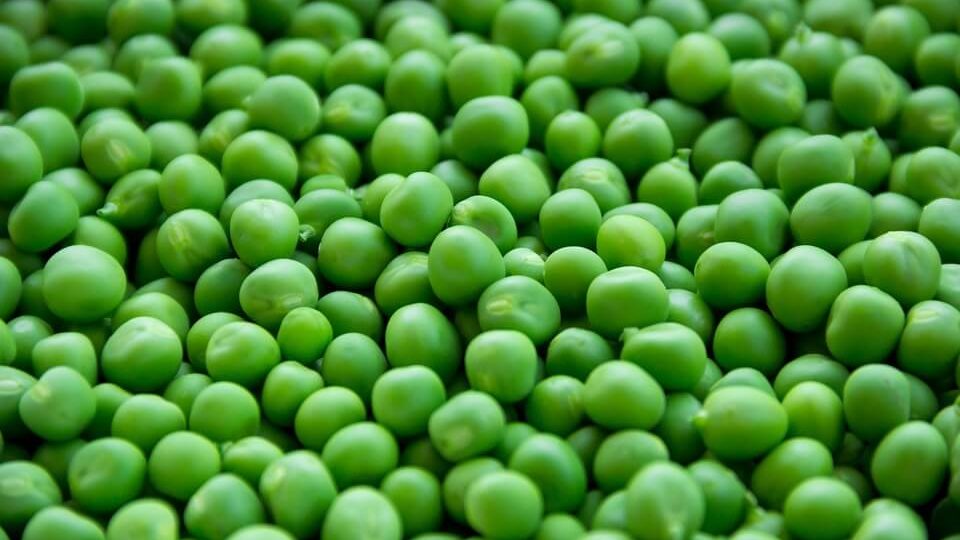
Peas
Peas thrive in the UK’s cooler temperatures and can be sown in early spring. They are ideal for small gardens and taste far better fresh from the pod.
Helpful tips for growing peas:
- Sow in well-drained soil from March onwards.
- Provide supports such as netting or sticks for climbing varieties.
- Protect seedlings from birds with netting.
- Pick pods regularly to prolong cropping.
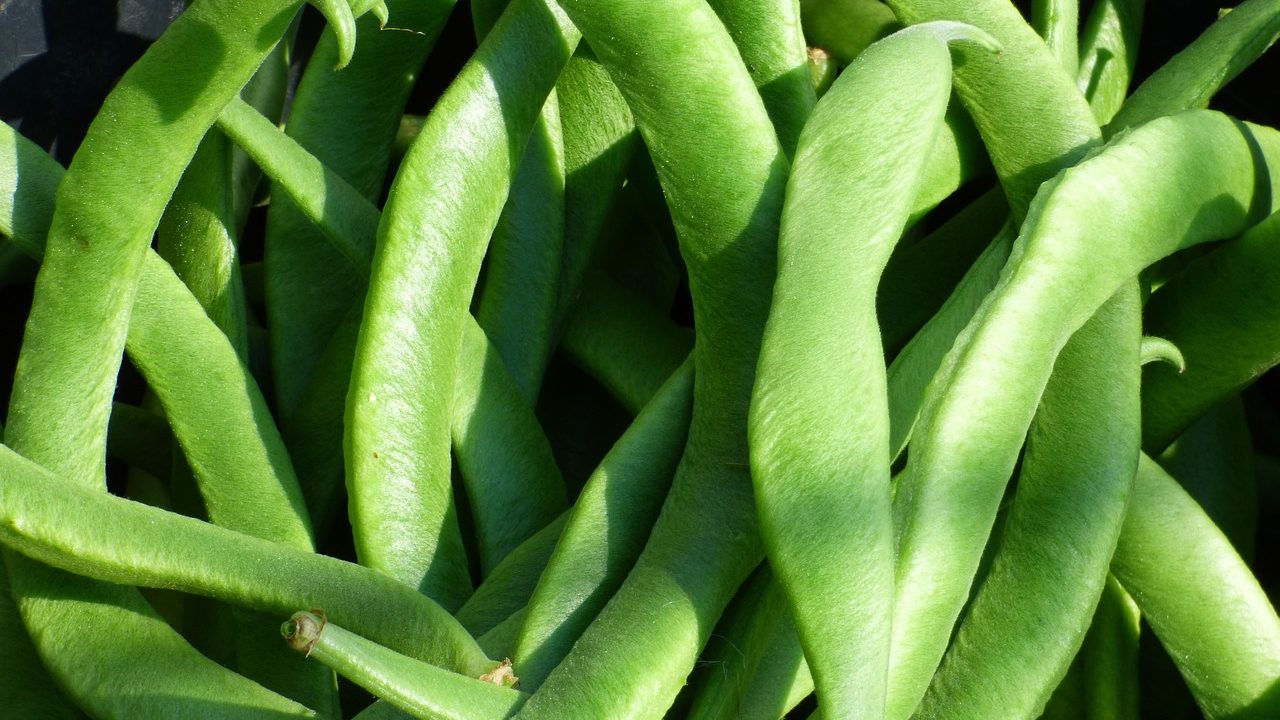
Runner Beans
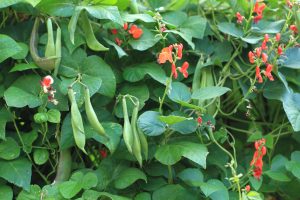
A traditional favourite in many gardens, runner beans are vigorous climbers and produce generously through summer.
Helpful tips for growing runner beans:
- Sow indoors in April or outdoors after frost risk has passed.
- Grow up canes or a bean frame for support.
- Water well during flowering and pod formation.
- Pinch out growing tips once plants reach the top of supports.
Learn more about growing runner beans
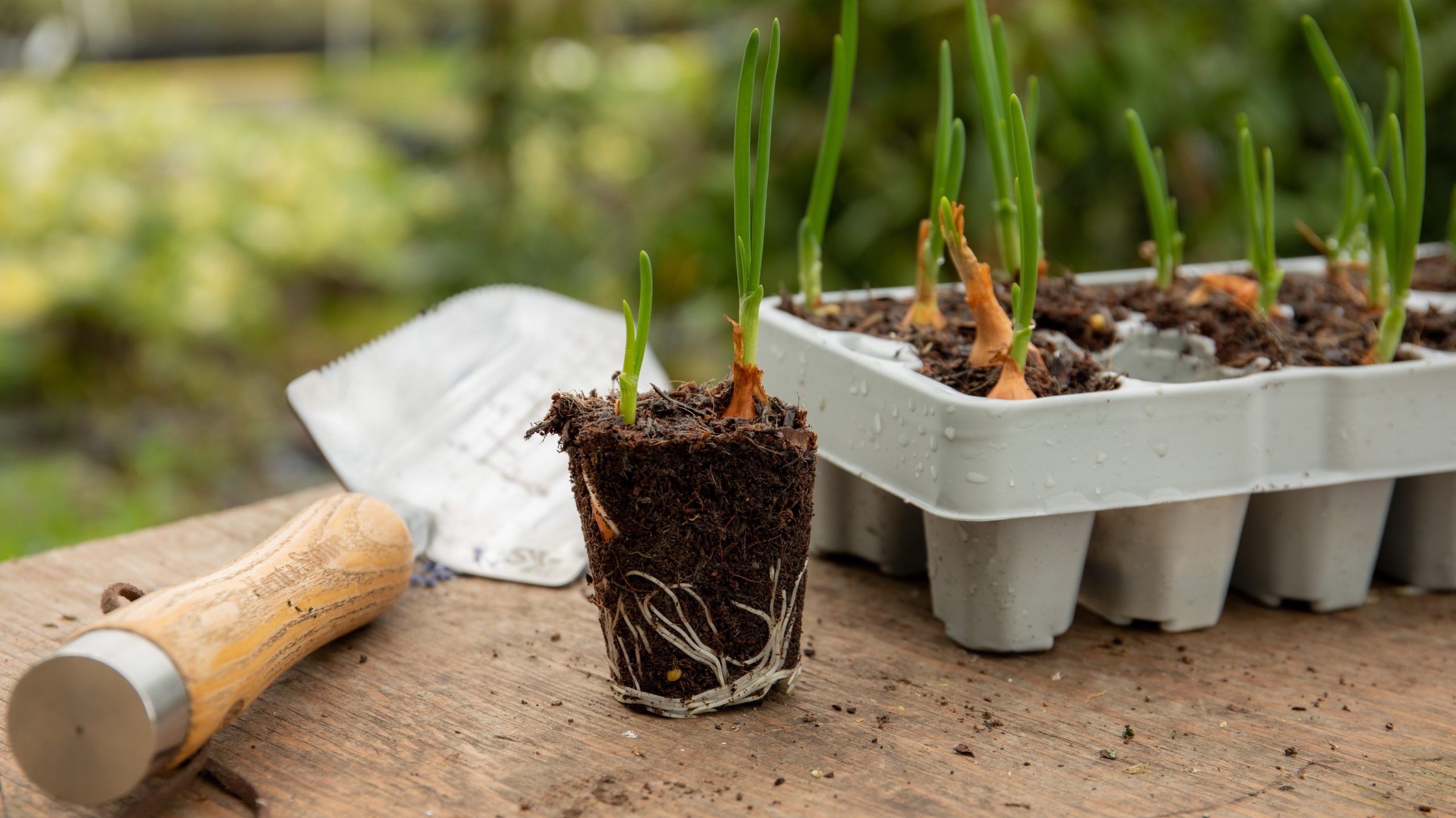
Onions
Onions are low-maintenance and store well, making them practical for beginners. They can be grown from seed or from sets (small bulbs), which are easier for first-timers.
Helpful tips for growing onions:
- Plant sets in early spring in firm, well-drained soil.
- Keep the area weed-free to reduce competition.
- Avoid overwatering once bulbs begin to swell.
- Harvest when foliage turns yellow and let bulbs dry before storing.
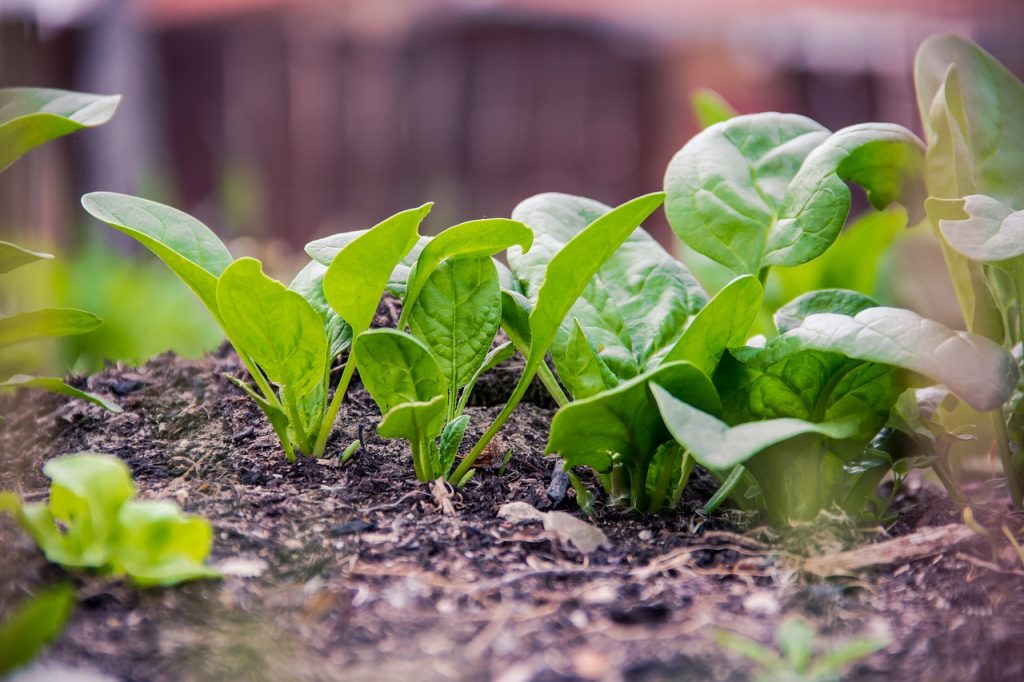
Spinach
Spinach grows quickly in mild conditions and can be harvested as baby leaves or mature plants. It prefers cooler weather, making spring and autumn ideal seasons.
Helpful tips for growing spinach:
- Sow in partial shade during warmer months.
- Keep soil rich in organic matter.
- Water regularly to prevent bolting.
- Harvest leaves frequently to encourage new growth.